Understanding Seasonal Health Risks in African Regions
PH
Understanding Seasonal Health Risks in African Regions
Seasonal health risks vary significantly across different regions in Africa, influenced by changes in climate, geography, and local ecosystems. In this post, we'll explore some of the most common health challenges faced by communities during different seasons and how they can be managed effectively.
Rainy Season and Waterborne Diseases
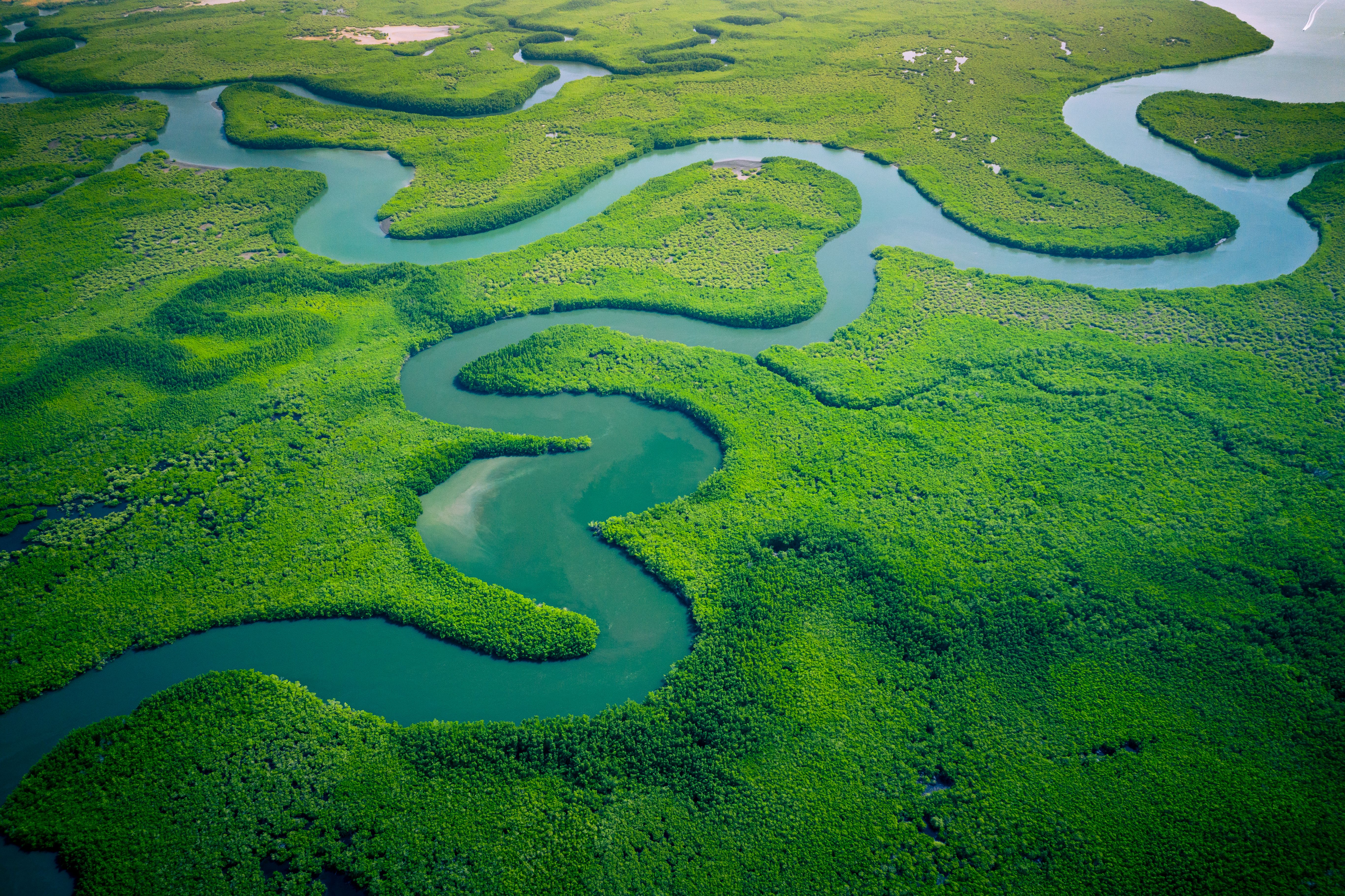
During the rainy season, many African regions experience an increase in waterborne diseases such as cholera and typhoid. This is primarily due to flooding and poor drainage systems that lead to contaminated water supplies. Communities must prioritize access to clean drinking water and proper sanitation to mitigate these risks.
Additionally, health education campaigns can play a crucial role in preventing the spread of these diseases by informing people about the importance of boiling water and maintaining hygiene.
Dry Season and Respiratory Issues
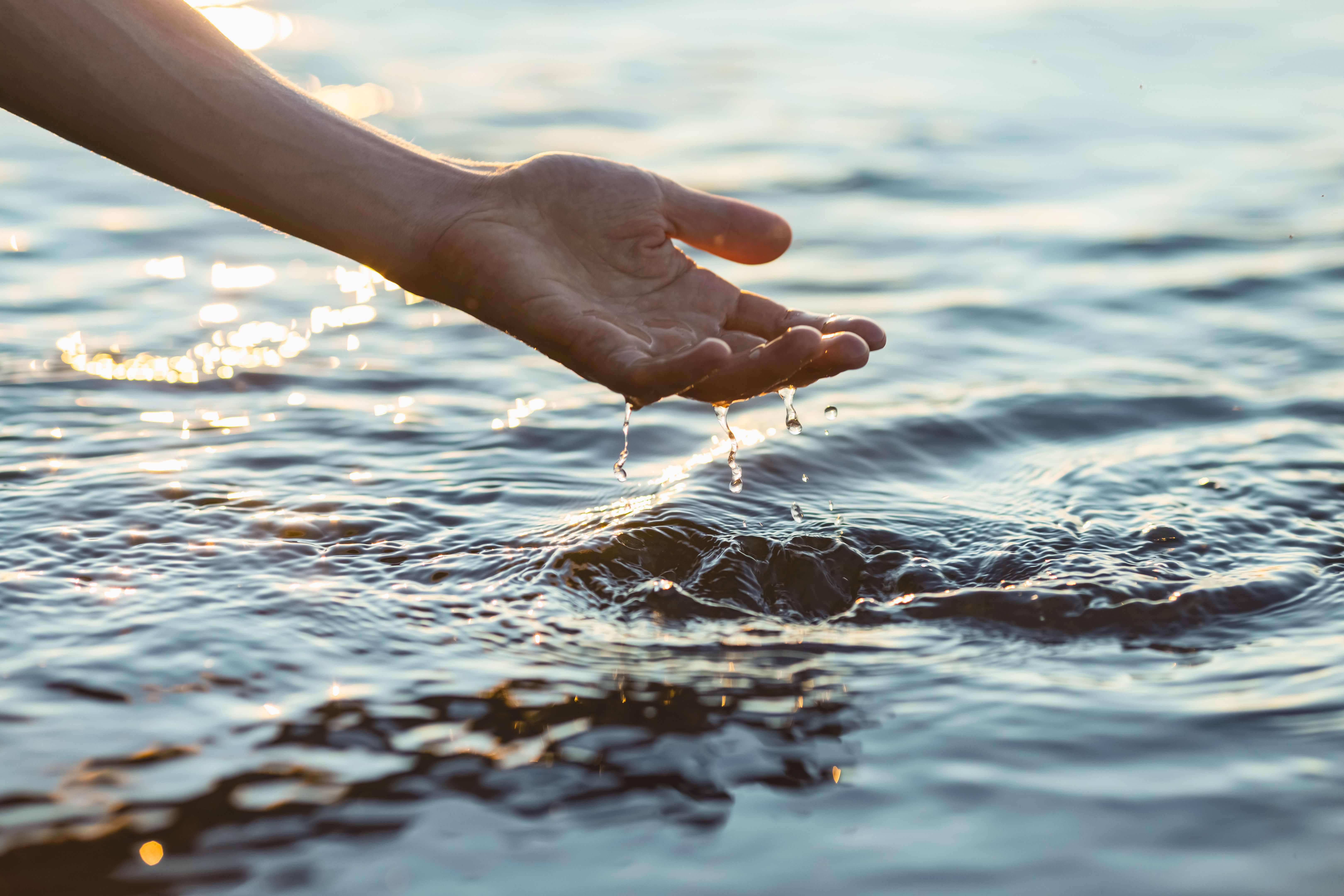
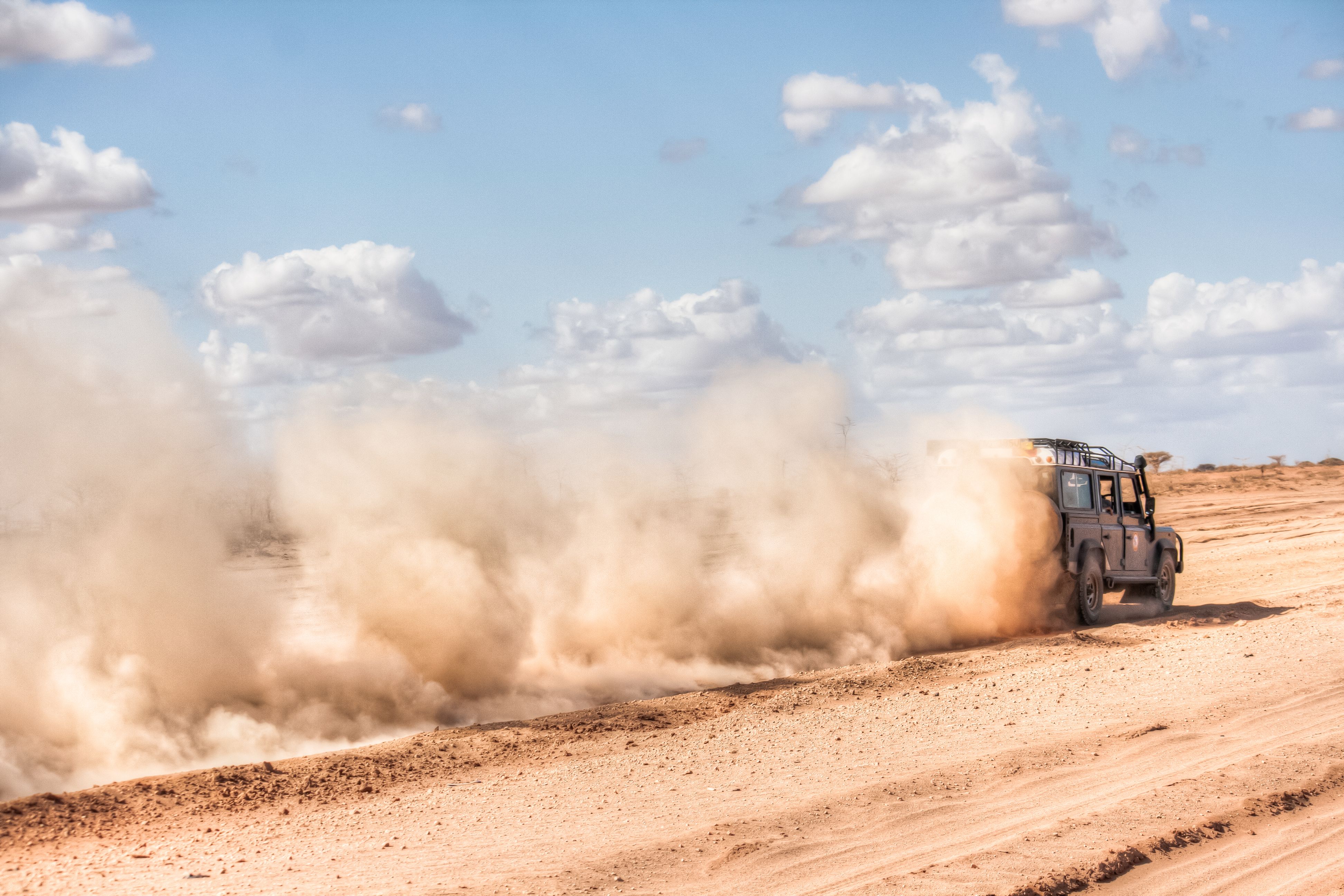
The dry season often brings about respiratory problems due to increased dust and pollution. Regions closer to the Sahara Desert, for instance, may experience dust storms that exacerbate conditions like asthma and bronchitis. It's essential for individuals to protect themselves by wearing masks and using air purifiers where possible.
Governments and local organizations can assist by monitoring air quality and issuing warnings during high-risk periods. Public health initiatives focusing on respiratory care and protection are vital during this time.
Malaria and Seasonal Changes
Malaria remains a significant health concern in many parts of Africa, particularly during and after the rainy season when mosquito breeding grounds flourish. Effective control measures include the use of insecticide-treated bed nets, indoor spraying, and community education on preventing mosquito bites.
Research and investment into malaria prevention and treatment continue to be critical. Collaboration between health organizations and local communities is necessary to implement strategies that reduce the prevalence of this disease.
Heatwaves and Dehydration
During extreme heatwaves, the risk of dehydration and heat-related illnesses increases. It's important for individuals to stay hydrated and avoid prolonged exposure to the sun. Public health messages should emphasize the importance of drinking plenty of water and recognizing the signs of heat exhaustion.
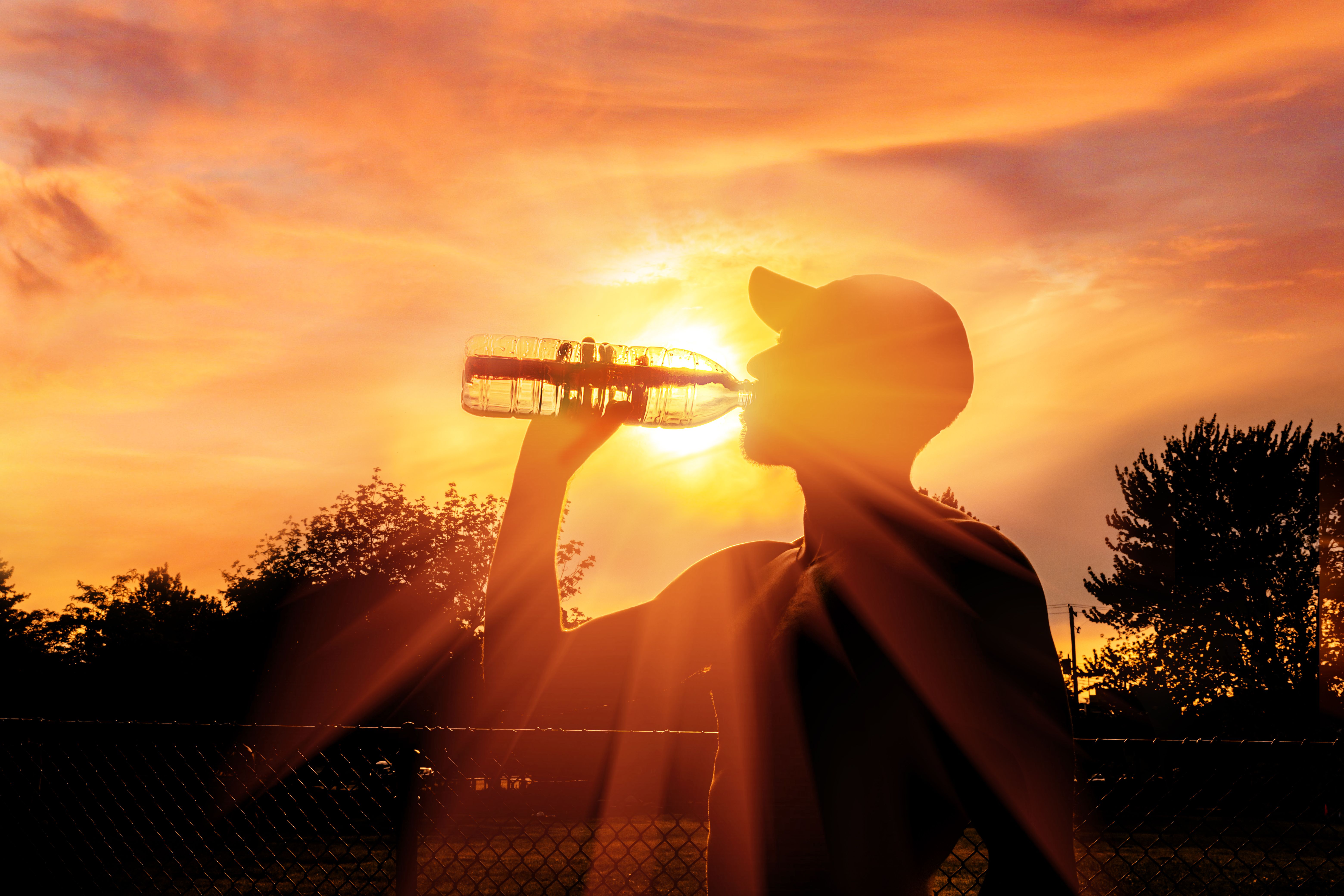
Communities can also benefit from creating shaded areas and providing access to water stations, particularly in urban environments where temperatures can rise sharply.
Preparing for Seasonal Health Risks
Understanding and preparing for seasonal health risks is crucial for improving public health outcomes in African regions. Governments, health organizations, and communities must work together to develop effective strategies tailored to local conditions.
- Establish early warning systems for extreme weather events.
- Enhance healthcare infrastructure to respond to seasonal demands.
- Promote community-based interventions for disease prevention.
By taking a proactive approach, we can reduce the impact of seasonal health challenges and promote healthier communities across the continent.