Top Strategies for Effective Health Communication in African Communities
PH
Understanding the Importance of Health Communication
Effective health communication is vital in promoting public health and improving healthcare outcomes. In African communities, where cultural diversity and unique challenges exist, crafting tailored communication strategies is essential. Understanding the cultural context and leveraging local languages can significantly enhance the impact of health messages.
Leveraging Traditional Media
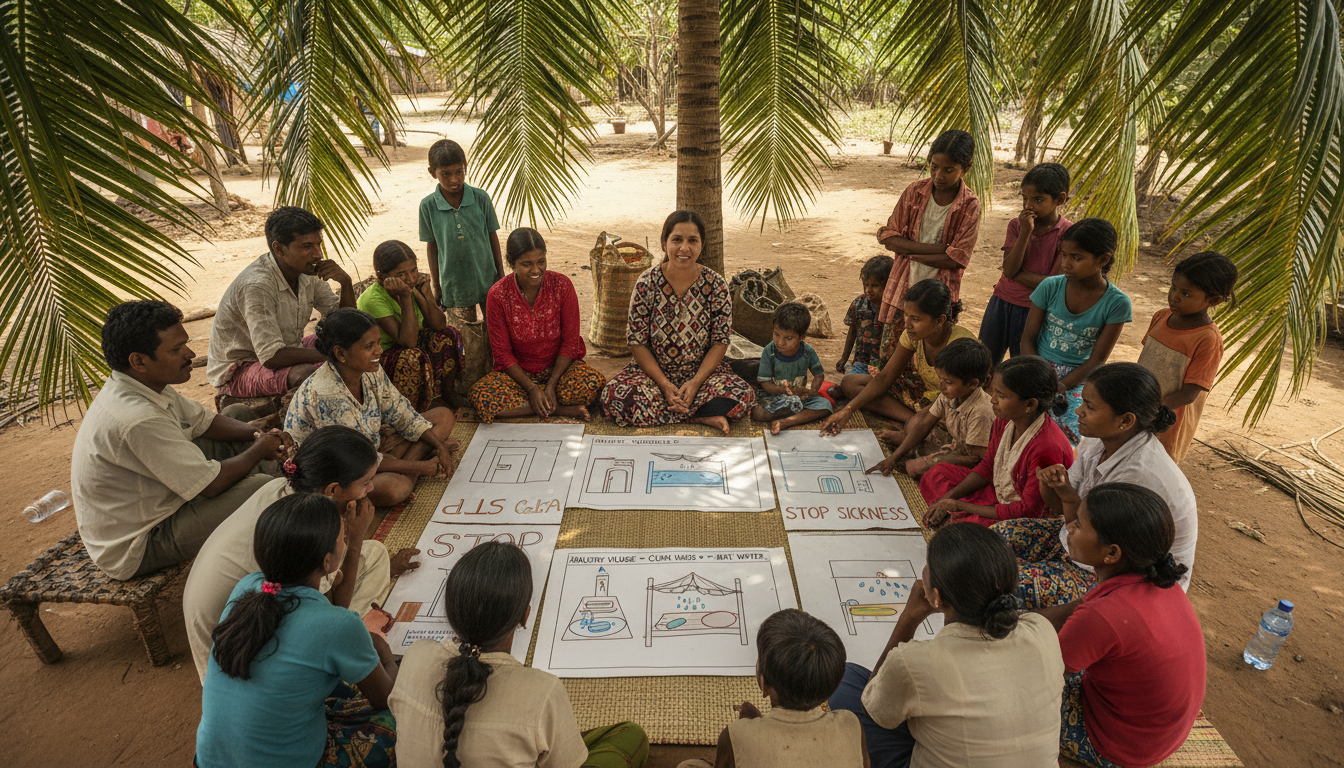
Traditional media, such as radio and community newspapers, remain powerful tools in African communities. These platforms have a broad reach and can effectively disseminate health information. Engaging local radio stations for health programs and using community bulletins can ensure messages are accessible to a wider audience.
Community Radio
Community radio is an invaluable asset because it often broadcasts in local languages and addresses culturally relevant topics. Health campaigns can collaborate with these stations to create engaging and informative content that resonates with listeners.
Utilizing Digital Platforms
With the increasing penetration of mobile technology, digital platforms offer new opportunities for health communication. Social media and mobile apps can facilitate interactive and immediate communication, allowing for real-time feedback and engagement.

Social Media Engagement
Platforms like Facebook and WhatsApp are widely used across many African countries. Health campaigns can harness these platforms to reach younger audiences and encourage community discussions around health topics.
Incorporating Local Leaders and Influencers
Local leaders and influencers hold significant sway in African communities. Partnering with them can help legitimize health messages and encourage community buy-in. Their endorsement can break down barriers and foster trust.
Training Community Health Workers
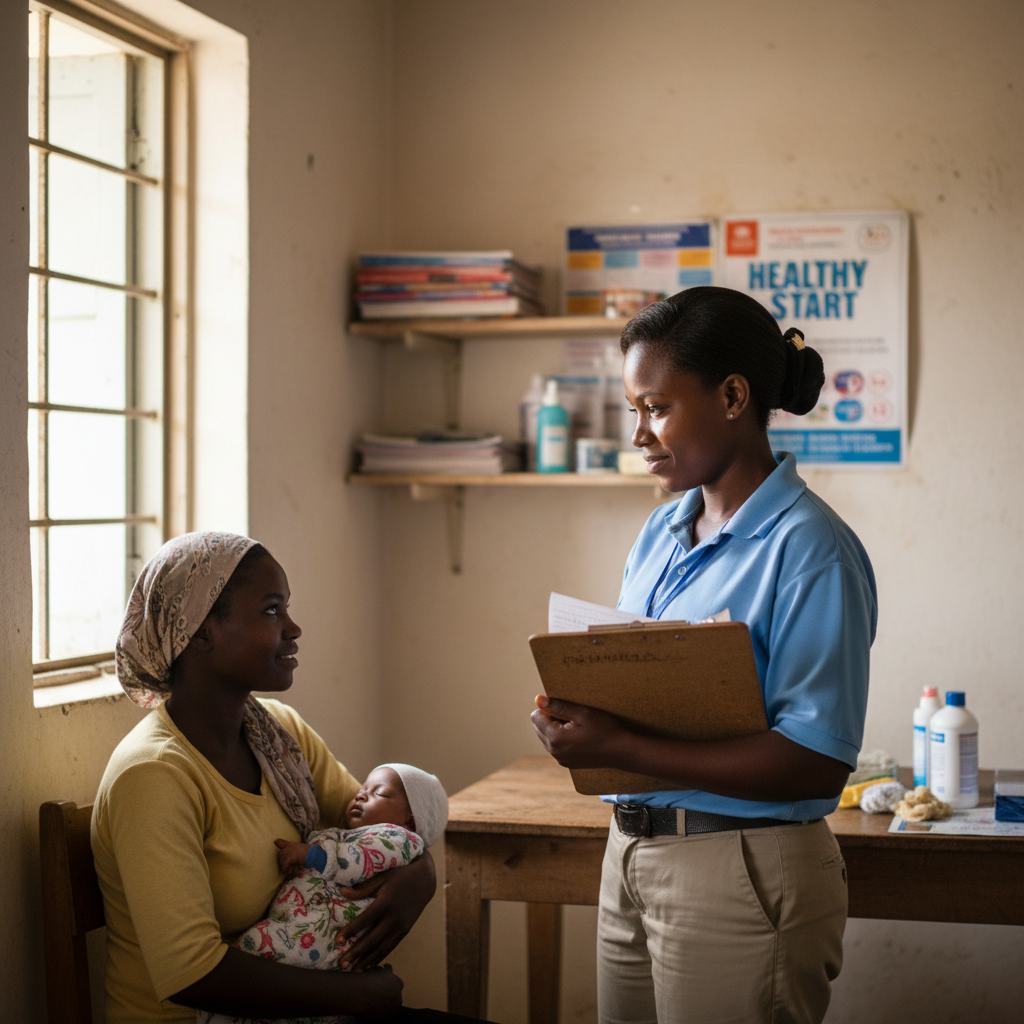
Community health workers can act as trusted messengers. By equipping them with the right information and communication skills, they can effectively educate and motivate community members on health practices.
Visual and Interactive Content
Visual content, such as infographics and videos, can transcend language barriers and simplify complex health information. Interactive workshops and demonstrations can further engage communities, making learning about health both informative and enjoyable.
Workshops and Health Fairs
Organizing community workshops and health fairs can provide hands-on experiences. These events can address specific health concerns, allowing participants to ask questions and receive practical advice.
Feedback and Evaluation
Finally, gathering feedback and evaluating the effectiveness of communication strategies is crucial. This can involve conducting surveys or focus groups to understand community responses and adapt strategies accordingly. Continuous improvement ensures that health communication remains relevant and effective.