Top Strategies for Developing Community Health Programs in Africa
PH
Understanding the Need for Community Health Programs
Community health programs are vital in addressing the unique healthcare challenges faced by many African communities. These programs aim to improve health outcomes by providing accessible, cost-effective, and culturally appropriate healthcare solutions. They empower communities by promoting health education, disease prevention, and access to essential services.
Developing effective community health programs requires a comprehensive understanding of the local context, including prevalent health issues, cultural beliefs, and existing healthcare infrastructure. This understanding is crucial for designing interventions that resonate with the community and achieve sustainable impact.
Engaging Local Stakeholders
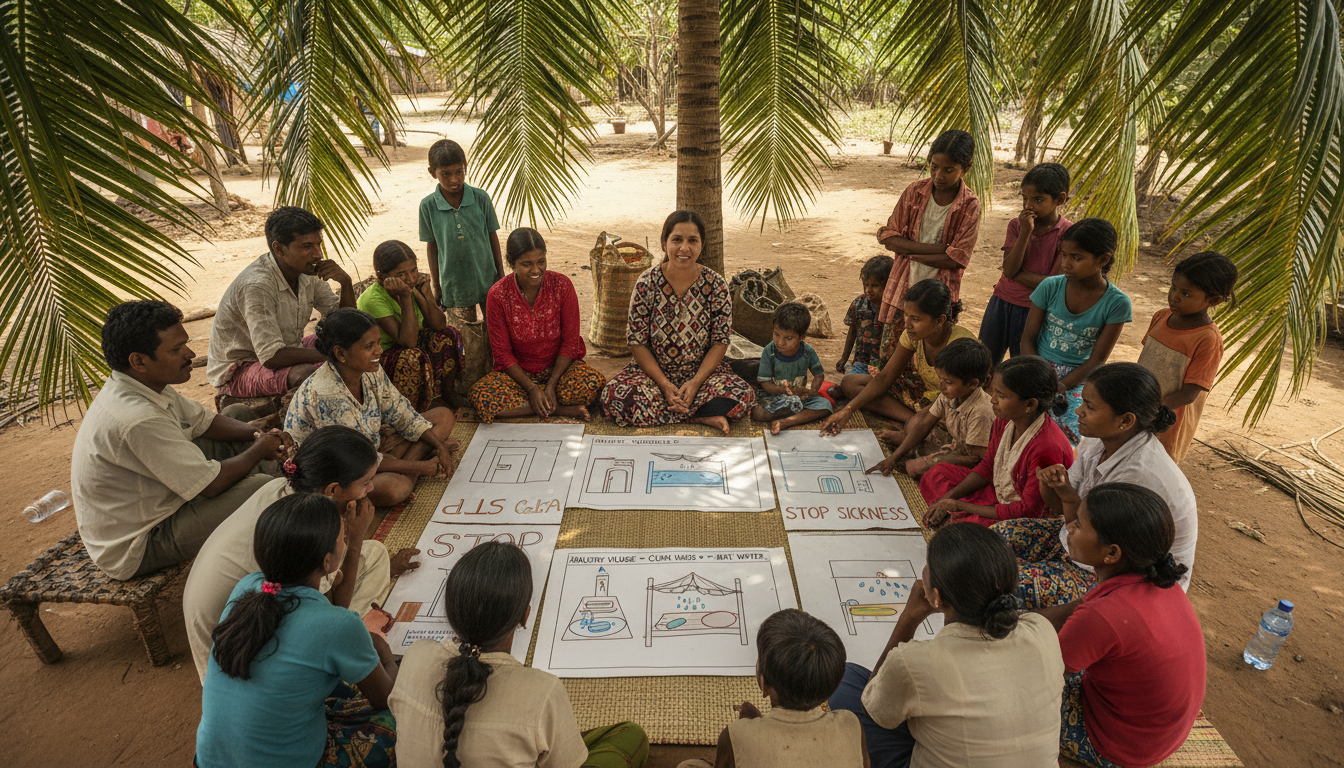
One of the most crucial strategies for developing successful community health programs is engaging local stakeholders. These stakeholders may include community leaders, healthcare professionals, local government officials, and non-governmental organizations. Their involvement ensures that programs are tailored to meet the specific needs and preferences of the community.
Engagement can be achieved through regular consultations, community forums, and collaborative planning sessions. By involving stakeholders in the decision-making process, programs are more likely to gain community buy-in and achieve long-term success.

Leveraging Technology for Better Outcomes
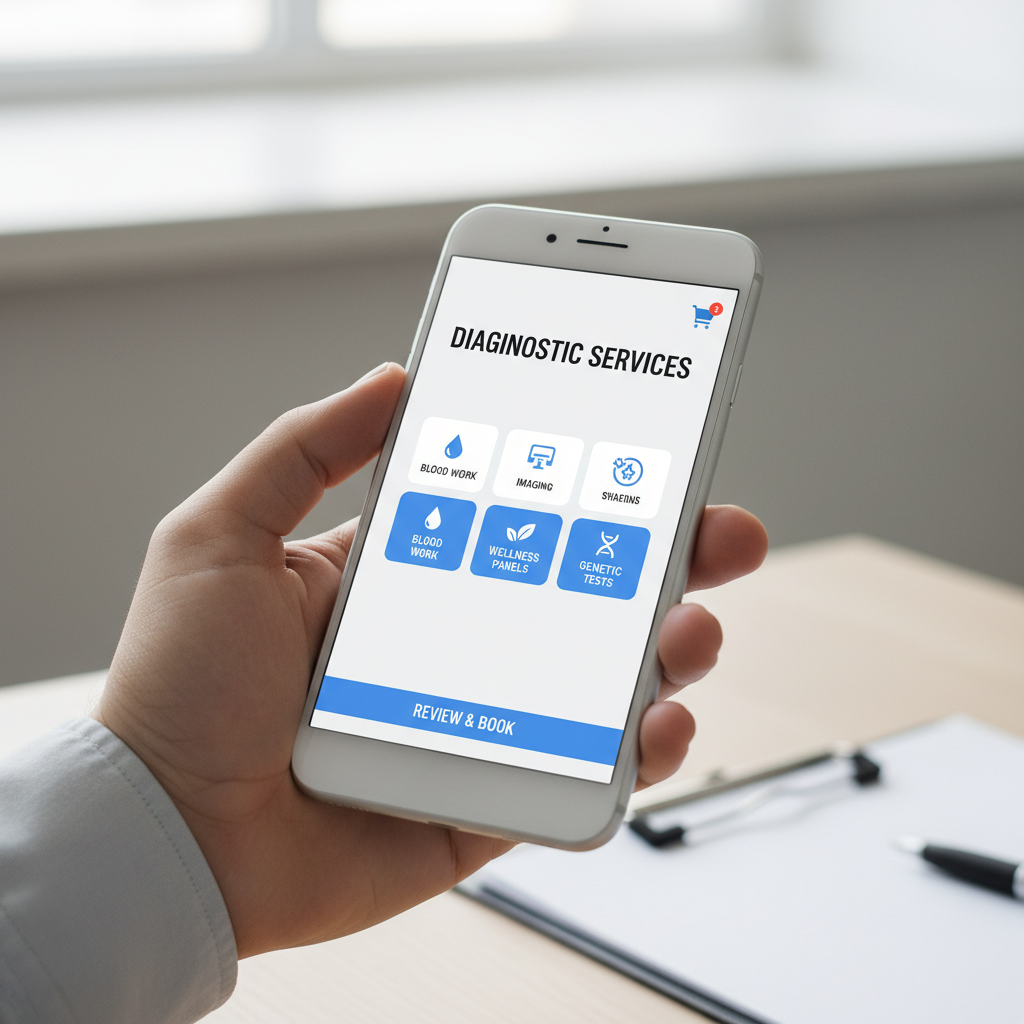
Technology plays a significant role in enhancing the effectiveness of community health programs. Mobile health (mHealth) solutions, for example, can provide remote communities with access to health information, telemedicine services, and disease monitoring tools. These technologies help bridge the gap between healthcare providers and patients, especially in regions with limited healthcare infrastructure.
Additionally, data analytics can be used to track health trends, identify high-risk populations, and evaluate the impact of health interventions. By leveraging technology, community health programs can deliver more targeted and efficient services.
Fostering Community Education and Awareness
Education and awareness are foundational components of any community health program. By educating community members about healthy practices, disease prevention, and available healthcare resources, programs can empower individuals to take control of their own health. This knowledge can lead to improved health behaviors and reduced incidence of preventable diseases.
Educational initiatives can be delivered through workshops, seminars, and school-based programs. Utilizing local languages and culturally relevant materials can enhance the effectiveness of these efforts.
Building Sustainable Partnerships
Developing partnerships with local and international organizations can significantly enhance the resources and expertise available for community health programs. Collaborations with universities, research institutions, and healthcare organizations can provide valuable insights and support for program development and evaluation.
Sustainable partnerships can also facilitate the sharing of best practices, innovative solutions, and funding opportunities, ensuring the longevity and scalability of health programs across different regions.

Monitoring and Evaluation
Effective monitoring and evaluation are essential for assessing the success of community health programs. Regular evaluation allows program managers to identify strengths, address challenges, and make informed decisions about future interventions.
Implementing a robust monitoring and evaluation framework involves setting clear objectives, defining key performance indicators, and collecting data systematically. Feedback from community members can also provide valuable insights into the program's impact and areas for improvement.
By adopting these strategies, community health programs in Africa can be more effective in addressing the health needs of their populations, ultimately leading to healthier and more resilient communities.