The Role of Technology in Advancing Public Health Solutions in Africa
PH
In recent years, technology has played a transformative role in advancing public health solutions across Africa. With the continent facing unique healthcare challenges, innovative technological approaches are proving essential in improving health outcomes and accessibility.
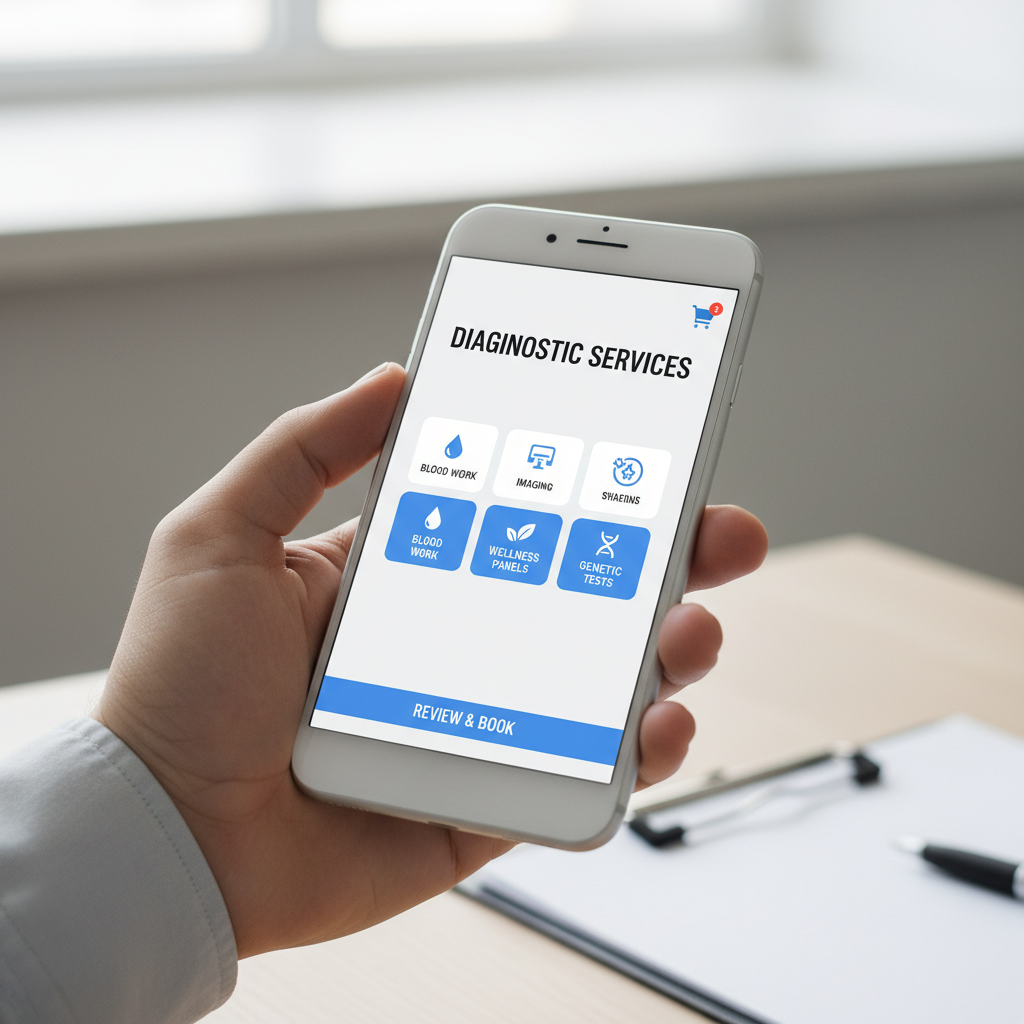
One of the most significant advancements is the use of mobile technology. Mobile health, or mHealth, has become a cornerstone in delivering healthcare services to remote and underserved populations. Through mobile apps and SMS-based services, healthcare providers can offer vital information, reminders, and even diagnostic services directly to individuals, breaking down barriers caused by distance and infrastructure.
Telemedicine: Bridging the Gap
Telemedicine has emerged as a powerful tool in addressing the shortage of healthcare professionals in many African regions. By enabling remote consultations and diagnostics, telemedicine allows patients to access expert medical advice without the need for long and often costly travel. This approach not only saves time and resources but also ensures timely medical intervention, which is crucial in managing diseases and emergencies.
Several countries have successfully implemented telemedicine programs, demonstrating its potential to revolutionize healthcare delivery. These programs often include partnerships with international organizations and local governments, ensuring sustainability and scalability.
Data Analytics: Informing Public Health Strategies
Data analytics has become an invaluable resource in understanding health trends and informing public health strategies. By leveraging big data, public health officials can identify disease outbreaks early, track vaccination rates, and allocate resources more effectively. This data-driven approach enables more precise interventions and policy-making, ultimately improving health outcomes across the continent.

Furthermore, the integration of artificial intelligence in data analysis allows for predictive modeling, helping healthcare providers anticipate and prepare for future health challenges. This proactive approach is essential in regions where resources are limited and the burden of disease is high.
Innovations in Medical Devices
Technology has also facilitated the development of affordable and portable medical devices tailored to the needs of African healthcare systems. Innovations such as solar-powered diagnostic tools and low-cost imaging devices have made significant impacts in diagnosing and treating diseases in remote areas.
These devices are designed with the specific challenges of African environments in mind, including unreliable electricity and harsh climates. By providing reliable and efficient diagnostic solutions, these innovations help reduce the burden on healthcare facilities and improve patient outcomes.

Challenges and Opportunities
Despite the promising advancements, several challenges remain. Issues such as limited internet connectivity, lack of technical expertise, and financial constraints can hinder the widespread adoption of technology in healthcare. However, these challenges also present opportunities for growth and collaboration.
International partnerships, investments in infrastructure, and capacity-building initiatives can help overcome these obstacles, paving the way for a more technologically integrated healthcare system. By addressing these challenges, Africa can continue to leverage technology to enhance public health solutions and improve the quality of life for its populations.