The Impact of Climate Change on Public Health in Africa
PH
Introduction
Climate change is a pressing global issue, but its impact is especially significant in Africa. The continent is experiencing more frequent and severe weather events, which in turn affect public health. Understanding these impacts is crucial for developing effective strategies to mitigate them.
Africa's unique geographical and socio-economic conditions make it particularly vulnerable to climate change. The consequences are not only environmental but also have profound effects on human health.

Extreme Weather Events
One of the most immediate impacts of climate change in Africa is the increase in extreme weather events such as droughts, floods, and storms. These events disrupt communities and put a significant strain on health systems.
For instance, droughts can lead to water scarcity, which affects sanitation and increases the risk of diseases like cholera. Floods, on the other hand, can result in waterborne diseases and displacement of populations.
Food Security and Nutrition
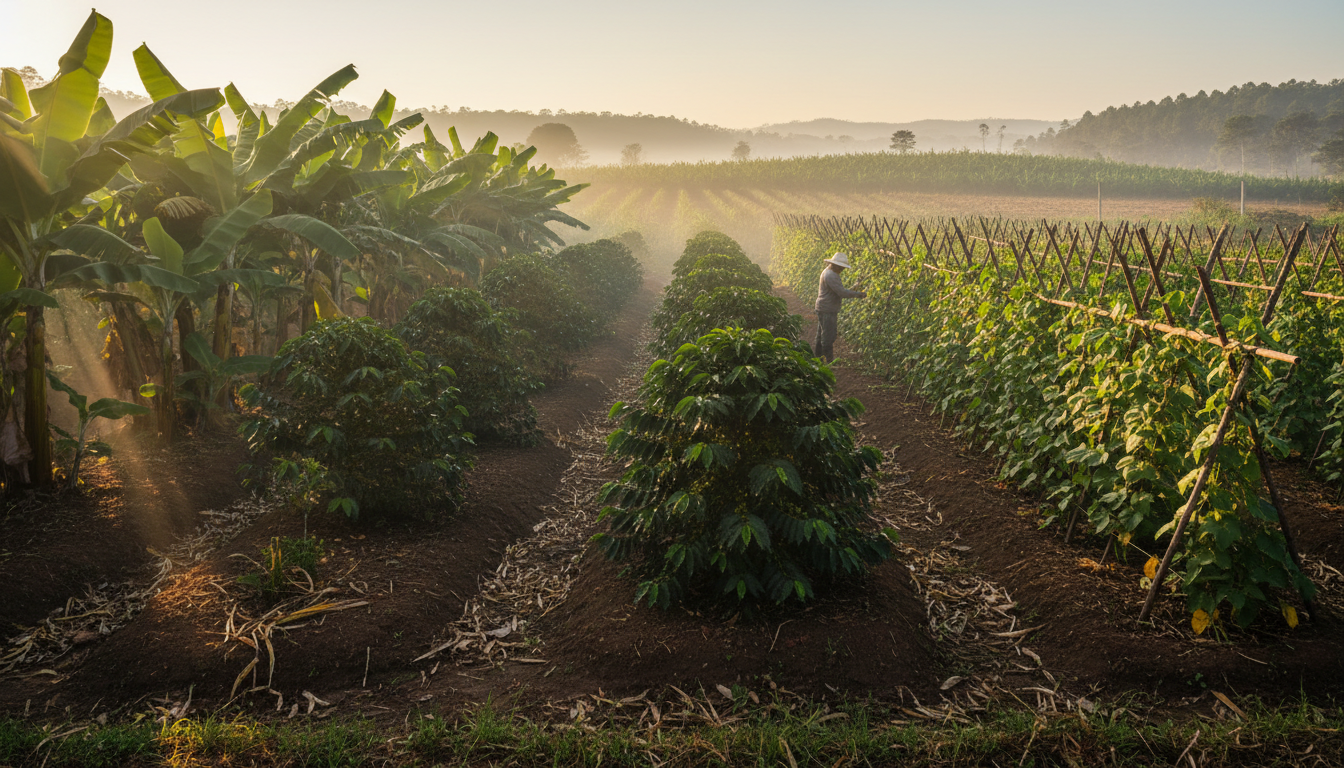
Climate change directly affects food security in Africa by altering agricultural productivity. Changes in rainfall patterns and increased temperatures can lead to crop failures and reduced yields.
This not only impacts the availability of food but also its nutritional quality. Malnutrition rates are likely to increase, particularly among children and vulnerable populations, exacerbating health issues across the continent.
Vector-Borne Diseases
Warmer temperatures and changing precipitation patterns influence the spread of vector-borne diseases such as malaria and dengue fever. These diseases are highly sensitive to climate conditions.
The expansion of suitable habitats for vectors like mosquitoes means that these diseases could spread to new regions, putting more people at risk and straining public health resources.
Air Quality and Respiratory Health
Climate change also impacts air quality, which has direct consequences for respiratory health. Increased temperatures can lead to higher concentrations of air pollutants.
Additionally, climate-induced dust storms can exacerbate respiratory issues, particularly in regions close to deserts. This can lead to an increase in respiratory diseases such as asthma.

Strategies for Mitigation
Addressing the impact of climate change on public health in Africa requires a multifaceted approach. Governments and organizations must work together to improve infrastructure, enhance healthcare systems, and implement sustainable agricultural practices.
Education and awareness campaigns are also crucial in helping communities adapt to changing conditions and reduce health risks associated with climate change.
Conclusion
The impact of climate change on public health in Africa is a growing concern that demands immediate attention. By understanding and addressing these challenges, it is possible to protect the health and well-being of millions of people across the continent.
Collaboration and innovation will be key in developing effective solutions to ensure a healthier, more resilient future for Africa.