Seasonal Health Challenges in Africa: Strategies and Solutions
PH
Understanding Seasonal Health Challenges in Africa
Africa, with its diverse climates and ecosystems, faces unique seasonal health challenges. From the dry Harmattan winds in West Africa to the rainy season in East Africa, each region experiences its own set of health concerns. Understanding these challenges is crucial for developing effective strategies to combat them.

The onset of the rainy season often leads to increased cases of waterborne diseases such as cholera and typhoid. In contrast, the dry season can exacerbate respiratory issues due to dust and pollen. Addressing these seasonal health issues requires a multifaceted approach, involving both preventive measures and responsive healthcare systems.
Preventive Measures for Waterborne Diseases
During the rainy season, communities are at a higher risk of waterborne diseases. Ensuring access to clean water is essential. Here are some strategies to mitigate these risks:
- Implementing water purification systems in rural areas.
- Promoting proper sanitation and hygiene practices.
- Conducting awareness campaigns to educate communities on the importance of boiling water before consumption.
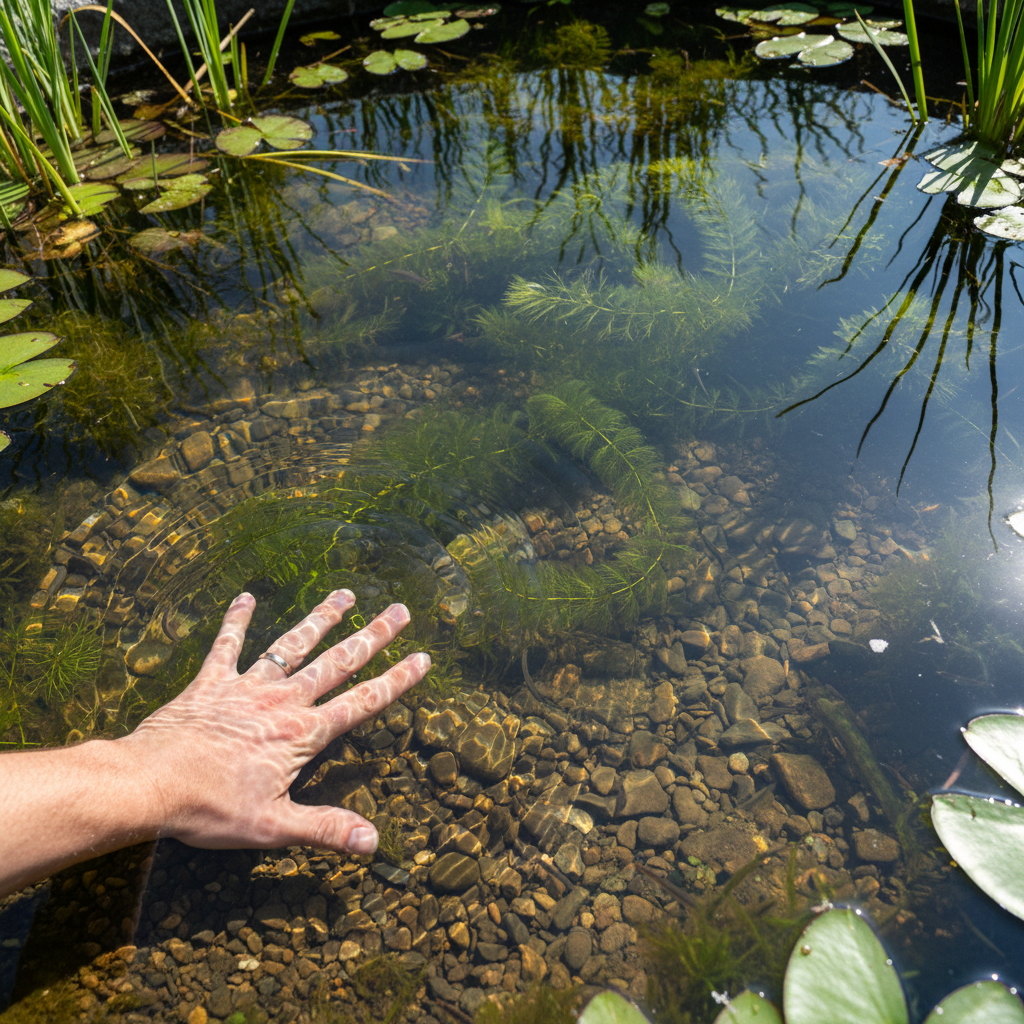
Governments and NGOs play a vital role in providing resources and education to help communities protect themselves. By focusing on preventive measures, the incidence of waterborne diseases can be significantly reduced.
Combating Respiratory Issues During Dry Seasons
The dry season brings its own set of challenges, particularly respiratory problems caused by dust and pollution. To address these issues, strategies can include:
- Encouraging the use of face masks, especially during dust storms.
- Planting trees to reduce air pollution and improve air quality.
- Enhancing public awareness about the risks of outdoor activities during high dust periods.

By taking these steps, communities can better protect themselves from respiratory illnesses, ensuring healthier outcomes during the dry months.
Strengthening Healthcare Systems
A robust healthcare system is critical in managing seasonal health challenges. This includes having well-equipped facilities, trained healthcare workers, and efficient supply chains for medicines and medical supplies. Strengthening these systems ensures a more effective response to health crises.
Collaboration between government agencies, international organizations, and local communities is essential. By working together, these groups can create sustainable solutions that address both current and future health challenges in Africa.

In conclusion, while Africa faces significant seasonal health challenges, a combination of preventive measures, public awareness, and strong healthcare infrastructure can help mitigate these issues. By adopting these strategies, communities across the continent can improve their resilience and health outcomes.