Public Health Trends: What’s Next for Africa?
PH
Introduction to Public Health Trends in Africa
Public health in Africa is at a pivotal point, with numerous challenges and opportunities ahead. As the continent grows and evolves, so too do its healthcare needs and solutions. Understanding the latest trends is essential for developing effective strategies to improve health outcomes across the region.
Embracing Digital Health Technologies
Digital health technologies have the potential to revolutionize healthcare delivery in Africa. From telemedicine to health apps, these tools are bridging gaps in access and quality of care. With the widespread use of mobile phones, healthcare providers can reach even the most remote communities, offering consultations and health education.

Strengthening Health Systems
Robust health systems are crucial for addressing public health challenges in Africa. Efforts to strengthen these systems include improving infrastructure, training healthcare professionals, and enhancing supply chain management. Governments and organizations are collaborating to build resilient systems that can withstand pandemics and other health crises.
Focus on Non-Communicable Diseases (NCDs)
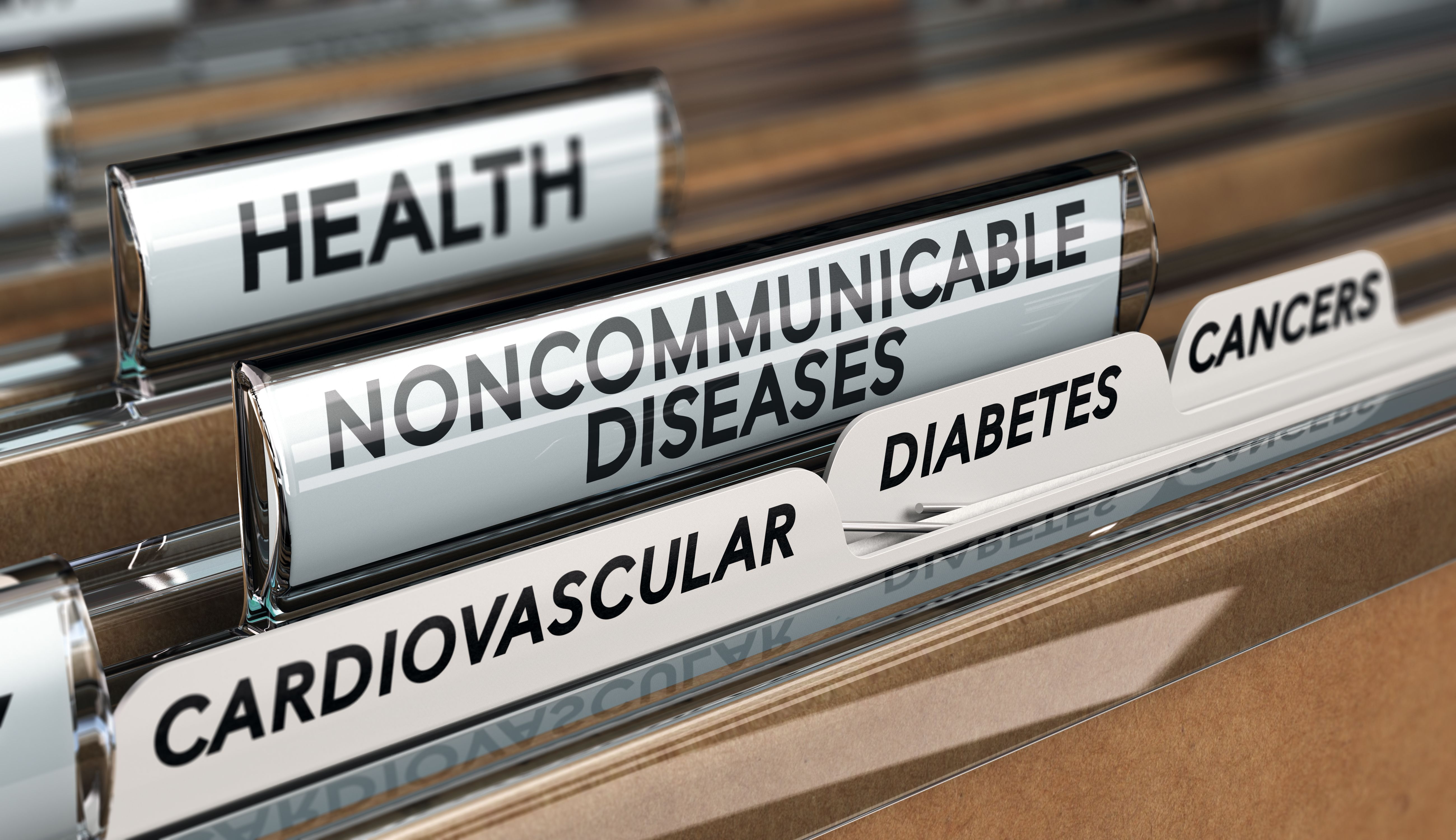
Non-communicable diseases such as diabetes, cancer, and cardiovascular diseases are on the rise in Africa. Addressing these requires a shift in focus from infectious diseases to preventive care and lifestyle changes. Public health campaigns are promoting healthier diets, physical activity, and regular screenings.
Addressing Infectious Diseases
Despite progress, infectious diseases remain a significant concern. Malaria, HIV/AIDS, and tuberculosis continue to impact millions. Innovative approaches, such as vaccine development and distribution, are critical in combating these diseases. Partnerships between governments, NGOs, and the private sector are vital for sustained progress.
Climate Change and Health
Climate change is increasingly affecting public health in Africa. Changes in weather patterns are leading to more frequent and severe health issues, such as respiratory diseases and heat-related illnesses. Public health strategies must adapt to address these new challenges, incorporating environmental considerations into health planning.

Youth Engagement and Education
With a large proportion of Africa's population being young, engaging and educating this demographic is key to long-term health improvements. Initiatives focusing on sexual and reproductive health, mental health, and nutrition are empowering young people to make informed health decisions.
Collaboration and Innovation
Collaboration between African nations and international partners is essential for tackling public health issues. Sharing knowledge, resources, and technology can lead to innovative solutions that are tailored to the continent's unique needs. Continued investment in research and development is crucial for future advancements.

Conclusion
The future of public health in Africa is filled with both challenges and opportunities. By embracing technology, strengthening systems, and fostering collaboration, the continent can make significant strides in improving health outcomes. Staying informed about these trends will be vital for stakeholders working to create a healthier Africa.