Public Health Solutions Africa: Case Studies of Successful Interventions
PH
Public health initiatives in Africa have been instrumental in improving the health and well-being of millions across the continent. A diverse range of strategies and interventions have been employed to tackle pressing health issues. This blog post explores some successful case studies, highlighting how innovation and collaboration are transforming public health in Africa.
Innovative Approaches to Malaria Control
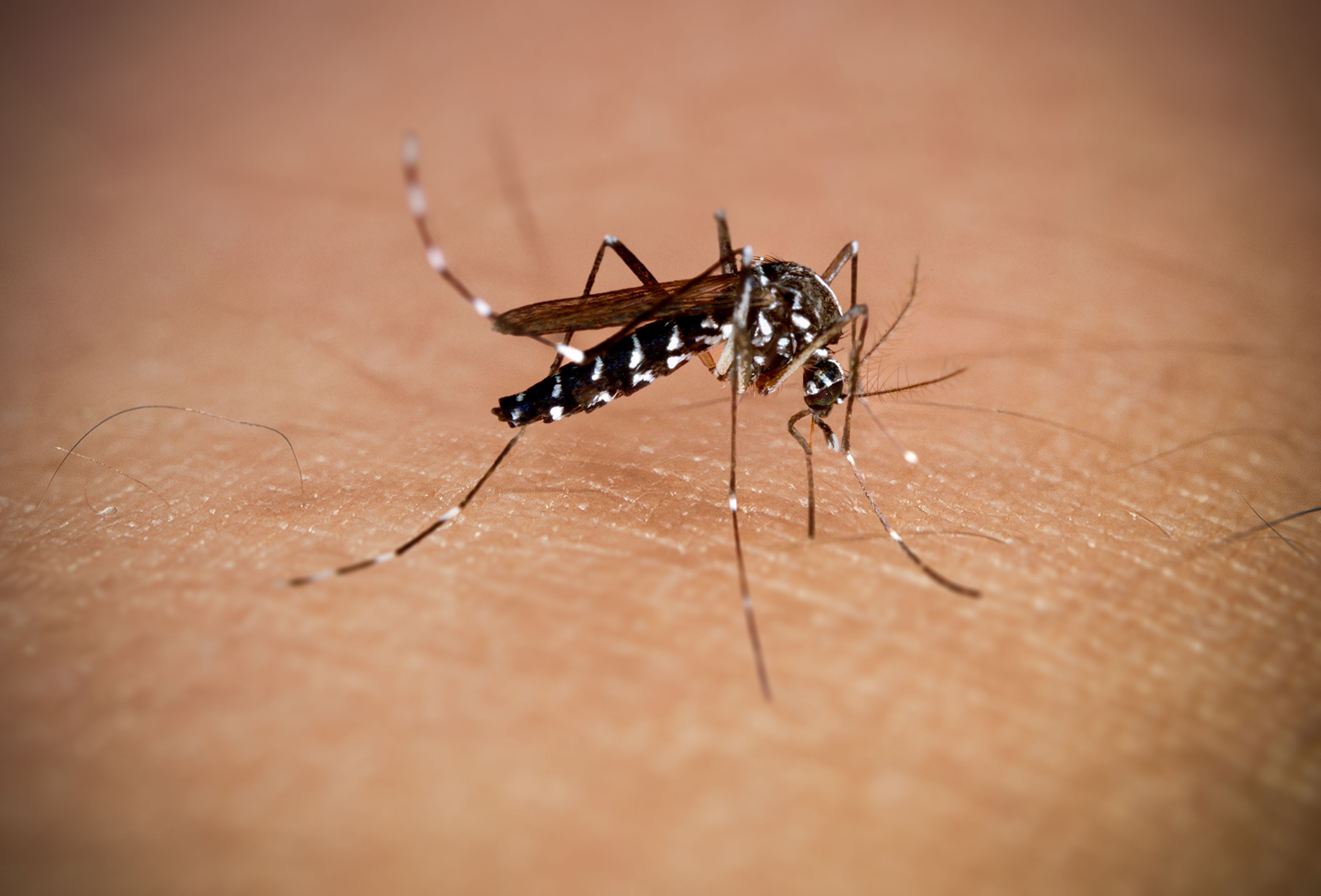
Malaria remains a significant public health challenge in many African countries. However, creative solutions have led to remarkable progress. One such intervention is the widespread distribution of insecticide-treated bed nets. This simple yet effective method has drastically reduced malaria transmission rates in several regions.
Another successful approach is the use of mobile technology to enhance the efficiency of malaria surveillance. In Kenya, health workers use mobile apps to report malaria cases in real-time, enabling rapid response and targeted interventions. These data-driven strategies have significantly improved malaria control efforts.
Combating HIV/AIDS Through Community Engagement
Africa has made considerable strides in reducing the prevalence of HIV/AIDS through community-driven initiatives. In Uganda, the "ABC" strategy—Abstinence, Being faithful, and Condom use—has been a cornerstone of HIV prevention efforts. This multifaceted approach, combined with widespread education campaigns, has led to a decline in new infections.
Moreover, community-based organizations play a crucial role in supporting people living with HIV/AIDS. These organizations provide essential services such as counseling, testing, and treatment adherence support, fostering a supportive environment that encourages individuals to seek care.

Addressing Malnutrition with Local Solutions
Malnutrition remains a critical issue in many African countries, affecting children's growth and development. Successful interventions have focused on enhancing food security and nutrition education. In Ethiopia, the introduction of fortified foods and community nutrition programs has led to significant improvements in child health.
Local food production initiatives have also been pivotal. By promoting the cultivation of nutrient-rich crops like sweet potatoes and legumes, communities are empowered to improve their diets sustainably. These efforts not only combat malnutrition but also stimulate local economies.

Strengthening Health Systems with Technology
Technological advancements are playing a vital role in strengthening health systems across Africa. Telemedicine projects, such as those implemented in rural South Africa, have expanded access to healthcare by connecting remote patients with specialists via video consultations. This has been especially beneficial in areas lacking healthcare infrastructure.
Electronic health record systems are also being adopted to improve patient care and data management. These systems enable healthcare providers to access patient information quickly and accurately, leading to better diagnosis and treatment outcomes.

Lessons Learned and Future Directions
These case studies illustrate the power of tailored interventions and the importance of community involvement in public health solutions. While challenges remain, the successes achieved serve as a testament to the resilience and innovation present in African health systems.
Moving forward, it is crucial for stakeholders to continue investing in scalable and sustainable health interventions. By fostering partnerships between governments, NGOs, and the private sector, Africa can build a healthier future for its people.