Myths and Facts About Public Health Challenges in Africa
PH
Understanding Public Health Challenges in Africa
Public health challenges in Africa are complex and multifaceted, often shrouded in myths and misconceptions. It's crucial to separate fact from fiction to effectively address these issues. In this blog post, we'll explore some common myths and the realities behind them.
Myth: Infectious Diseases Are the Only Major Threat
One prevailing myth is that infectious diseases, such as HIV/AIDS and malaria, are the only significant health threats in Africa. While these diseases do pose substantial challenges, the continent is also grappling with a rise in non-communicable diseases (NCDs) like diabetes and hypertension. These NCDs are often overlooked but are becoming increasingly prevalent due to lifestyle changes and urbanization.
According to the World Health Organization, NCDs are projected to become the leading cause of death in Africa by 2030. Addressing these health issues requires a comprehensive approach that includes prevention, early detection, and management.

Fact: Access to Healthcare Is Improving, But Challenges Remain
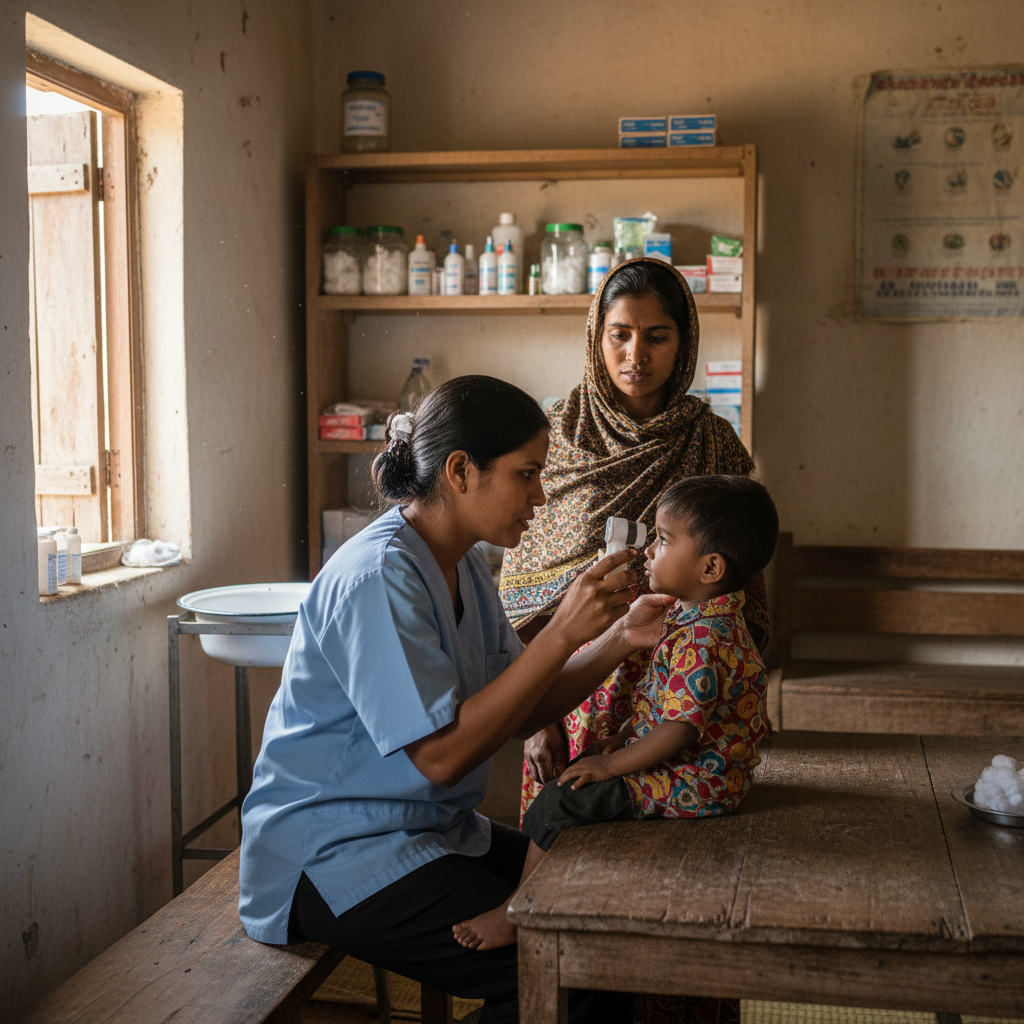
Another fact is that access to healthcare in Africa is improving, thanks to international aid, government initiatives, and technological advancements. However, significant challenges persist, particularly in rural areas. Many communities still lack basic healthcare facilities, trained personnel, and essential medications.
Efforts to improve healthcare access must focus on strengthening infrastructure and investing in local healthcare workers to ensure sustainable development. Mobile health technologies are also playing a pivotal role in bridging the gap between remote populations and healthcare services.

Myth: Traditional Medicine Is Ineffective
There's a common misconception that traditional medicine in Africa is ineffective or inferior to Western medicine. However, traditional medicine plays a vital role in the continent's healthcare system and is often the first point of contact for many patients.
With over 80% of the population relying on traditional medicine, it's essential to integrate these practices with modern healthcare systems. Research is ongoing to validate and standardize traditional remedies, ensuring they complement conventional treatments effectively.
Fact: Community Involvement Is Crucial for Success
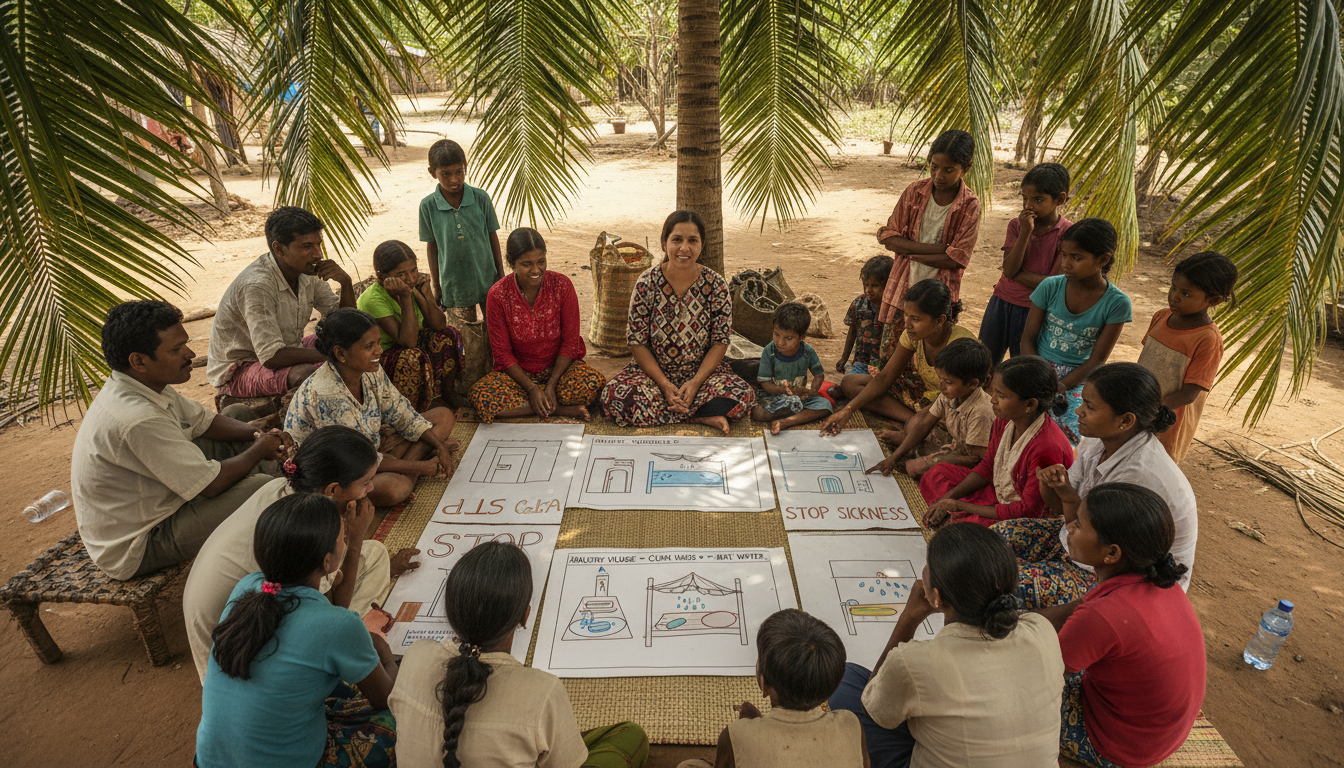
Community involvement is a critical factor in the success of public health initiatives in Africa. Grassroots movements and local organizations are often at the forefront of health campaigns, providing education and resources to combat health challenges.
Engaging communities not only empowers individuals but also fosters trust and cooperation, which are essential for the success of any public health strategy. Collaborative approaches that include local leaders and stakeholders can lead to more sustainable and impactful outcomes.
Myth: Africa Lacks Innovation in Public Health
Contrary to this myth, Africa is home to numerous innovations in public health. From mobile health apps to drone delivery of medical supplies, the continent is leveraging technology to overcome logistical barriers and enhance healthcare delivery.
Initiatives such as telemedicine and e-health platforms are revolutionizing the way healthcare services are accessed and delivered, particularly in remote and underserved areas. These innovations highlight Africa's potential as a leader in innovative public health solutions.
In conclusion, understanding the myths and facts about public health challenges in Africa is essential for developing effective interventions. By dispelling misconceptions and focusing on evidence-based strategies, stakeholders can work towards improving health outcomes across the continent.