Innovative Health Solutions for Emerging African Markets
PH
Understanding the Healthcare Landscape in Africa
Africa is home to a diverse range of cultures and economic conditions, which significantly influence its healthcare landscape. With a rapidly growing population, the demand for effective healthcare solutions is on the rise. However, unique challenges such as limited infrastructure, resource constraints, and geographic barriers persist, necessitating innovative approaches to healthcare delivery.
Despite these challenges, there is immense potential for growth and improvement. By leveraging technology and innovative practices, emerging African markets can address these issues and enhance the quality of life for millions.
Technology as a Catalyst for Change
Technology has become a cornerstone in transforming healthcare systems across Africa. Mobile health (mHealth) solutions, for instance, are making healthcare more accessible by enabling remote consultations and diagnostic services. This is particularly impactful in rural areas where medical facilities are scarce.
Moreover, health information systems are being implemented to streamline patient records and improve the efficiency of healthcare delivery. By digitizing health data, healthcare providers can offer more accurate diagnoses and personalized care.

Telemedicine: Bridging the Gap
Telemedicine is another promising innovation, providing patients with access to healthcare professionals without the need for travel. This is crucial in areas with a shortage of healthcare workers, ensuring that even those in remote locations receive timely medical attention.
Through video consultations and online platforms, telemedicine is helping to bridge the gap between urban and rural healthcare services, reducing the burden on overcrowded medical facilities.
Community-Based Initiatives
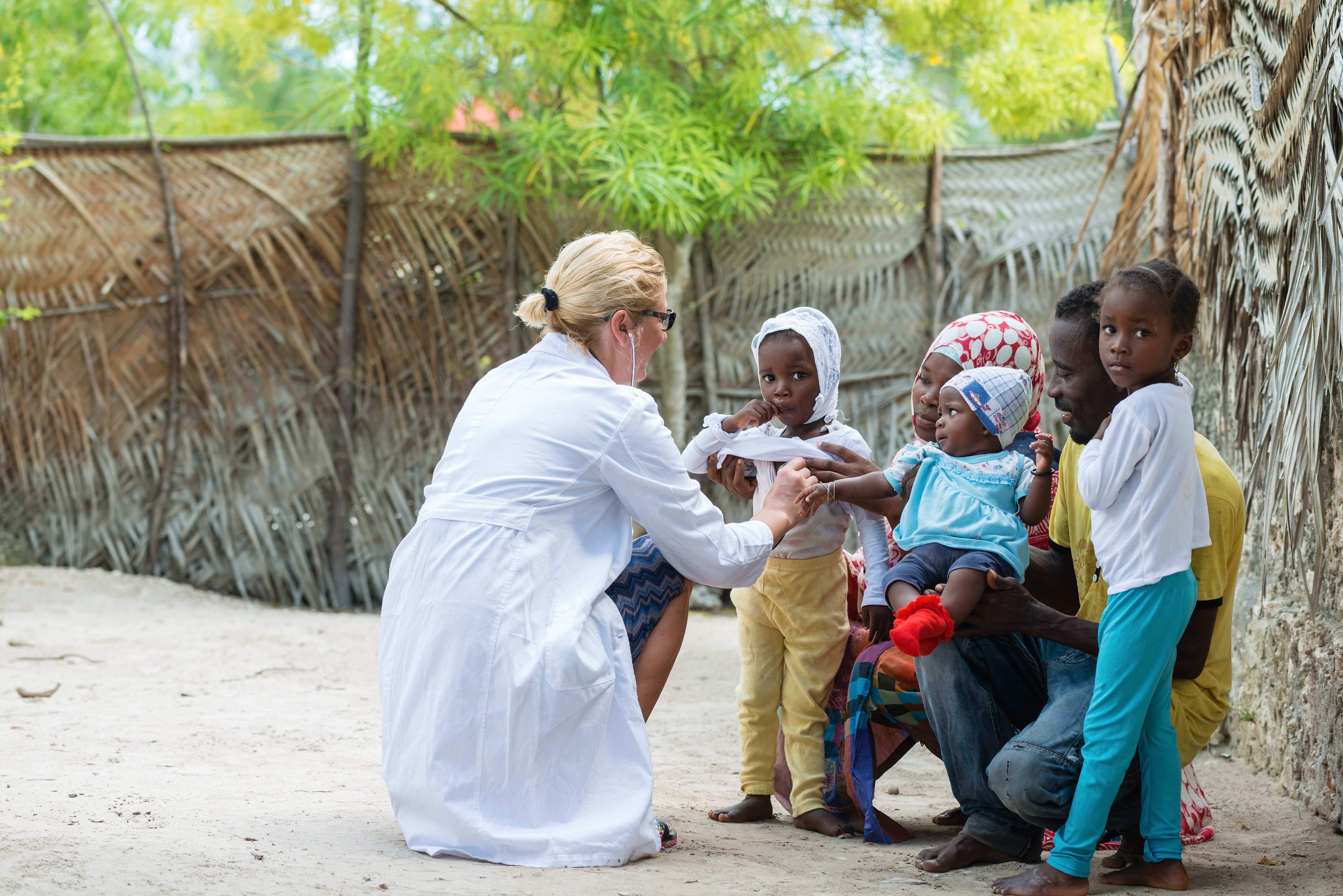
Community-based healthcare initiatives play a vital role in addressing local health challenges. By involving local communities in health education and preventive care, these programs empower individuals to take charge of their health and wellbeing.
Such initiatives often focus on maternal and child health, nutrition, and infectious disease prevention, providing education and resources that are culturally and contextually relevant.

Public-Private Partnerships
Collaboration between public and private sectors is essential for sustainable healthcare development. Public-private partnerships can mobilize resources, share expertise, and foster innovation, ultimately leading to improved healthcare infrastructure and services.
These partnerships can also facilitate the distribution of essential medical supplies and the implementation of large-scale health programs, addressing various public health challenges efficiently.
Future Prospects and Opportunities
The future of healthcare in Africa is promising, with numerous opportunities for growth and innovation. By continuing to invest in technology, fostering community engagement, and strengthening partnerships, African nations can develop robust healthcare systems that cater to their unique needs.
As international interest and investment in African healthcare continue to rise, there is potential for groundbreaking advancements that could serve as models for other regions facing similar challenges.

In conclusion, innovative health solutions are paving the way for a healthier Africa, with technology and collaboration at the forefront. By embracing these innovations, emerging African markets can overcome obstacles and build sustainable healthcare systems for future generations.