Innovative Approaches to Public Health Challenges in Africa
PH
Embracing Technology in Public Health
Africa has made significant strides in tackling public health challenges by leveraging technology. Mobile health applications are widely used to disseminate information, track disease outbreaks, and provide remote consultations. This approach has proven critical in rural areas where access to healthcare facilities is limited. By using mobile platforms, healthcare providers can reach a broader audience, ensuring timely interventions and education.
Another technological advancement is the use of drones to deliver medical supplies. In countries like Rwanda, drones are employed to transport blood and vaccines to remote locations, reducing delivery time from hours to minutes. This innovation has been vital in ensuring that lifesaving medicines reach the people who need them most.

Community-Based Approaches
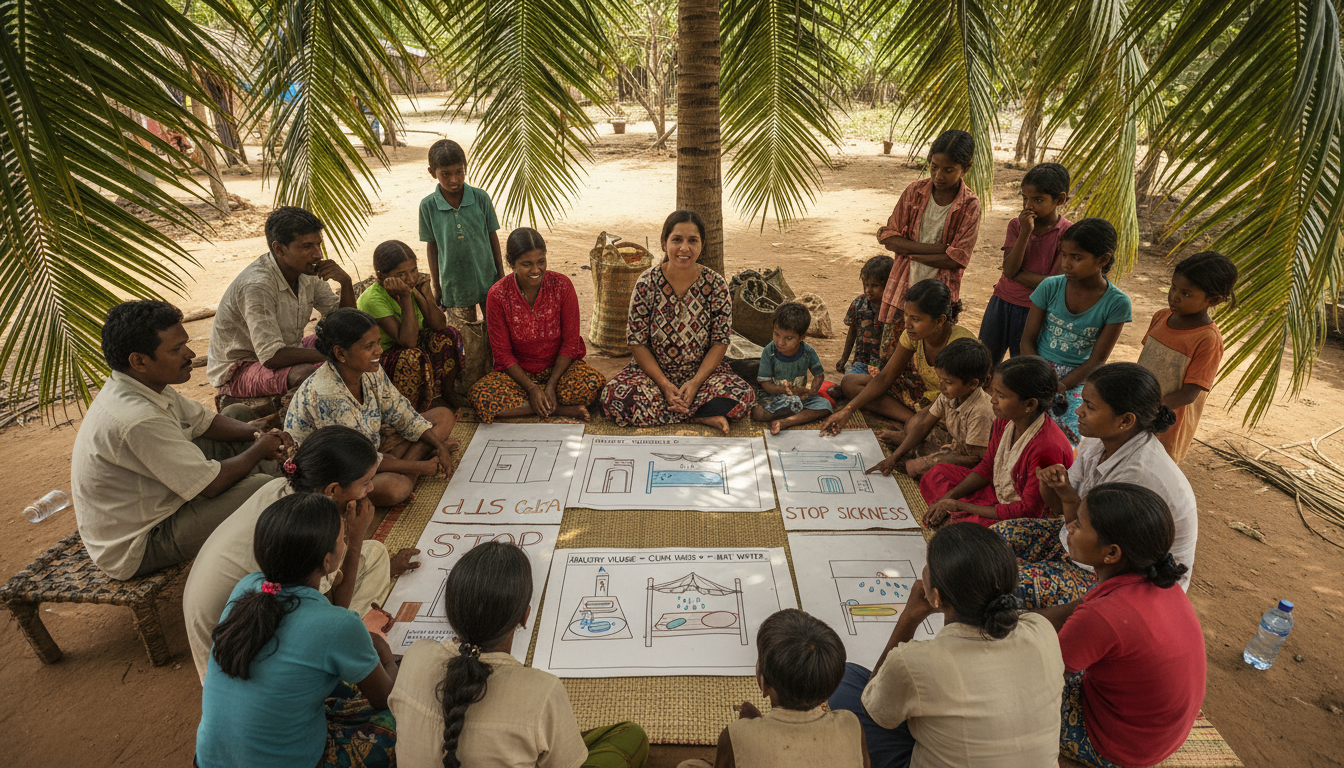
Community involvement is another innovative strategy being adopted to address public health challenges. By empowering local communities, health initiatives become more sustainable and culturally relevant. Community health workers are trained to offer basic healthcare services, educate residents, and monitor health trends within their communities.
Involving local leaders and influencers in health campaigns also aids in overcoming cultural barriers. These individuals can effectively communicate the importance of vaccinations, sanitation, and preventive measures, fostering trust and encouraging community participation.
Public-Private Partnerships
Public-private partnerships play a crucial role in addressing health challenges in Africa. Governments, NGOs, and private companies collaborate to pool resources, expertise, and technology. These partnerships often lead to innovative solutions that are financially viable and scalable.
For instance, partnerships with pharmaceutical companies have enabled the mass production and distribution of affordable antiretroviral drugs, significantly reducing the impact of HIV/AIDS. Similarly, collaborations in the agricultural sector have led to improved nutrition programs, tackling malnutrition and food insecurity.

Focus on Preventive Measures
Prevention remains a cornerstone of public health strategies across Africa. Vaccination campaigns, sanitation projects, and educational programs are at the forefront of these efforts. By focusing on prevention, healthcare systems can reduce the burden of disease and allocate resources more effectively.
Initiatives such as clean water projects and sanitation education have shown remarkable success in reducing diseases like cholera and diarrhea. By investing in preventive measures, communities become healthier and more resilient to outbreaks.
Research and Innovation
Research and innovation are driving progress in public health. African researchers and institutions are at the forefront of discovering new treatments and interventions tailored to the continent's unique challenges. Collaborations with international research bodies enhance the scope and impact of these efforts.
For example, research on malaria has led to the development of more effective treatments and preventive measures, saving countless lives. By fostering a culture of innovation, Africa continues to make strides in improving public health outcomes.