How Climate Change Impacts Public Health in Africa
PH
Understanding the Link Between Climate Change and Public Health
Climate change is increasingly recognized as a major public health challenge, particularly in Africa. The continent is highly vulnerable due to its diverse climate zones and socio-economic factors. As temperatures rise and weather patterns become unpredictable, the health of millions is at risk.
Rising Temperatures and Heat-Related Illnesses
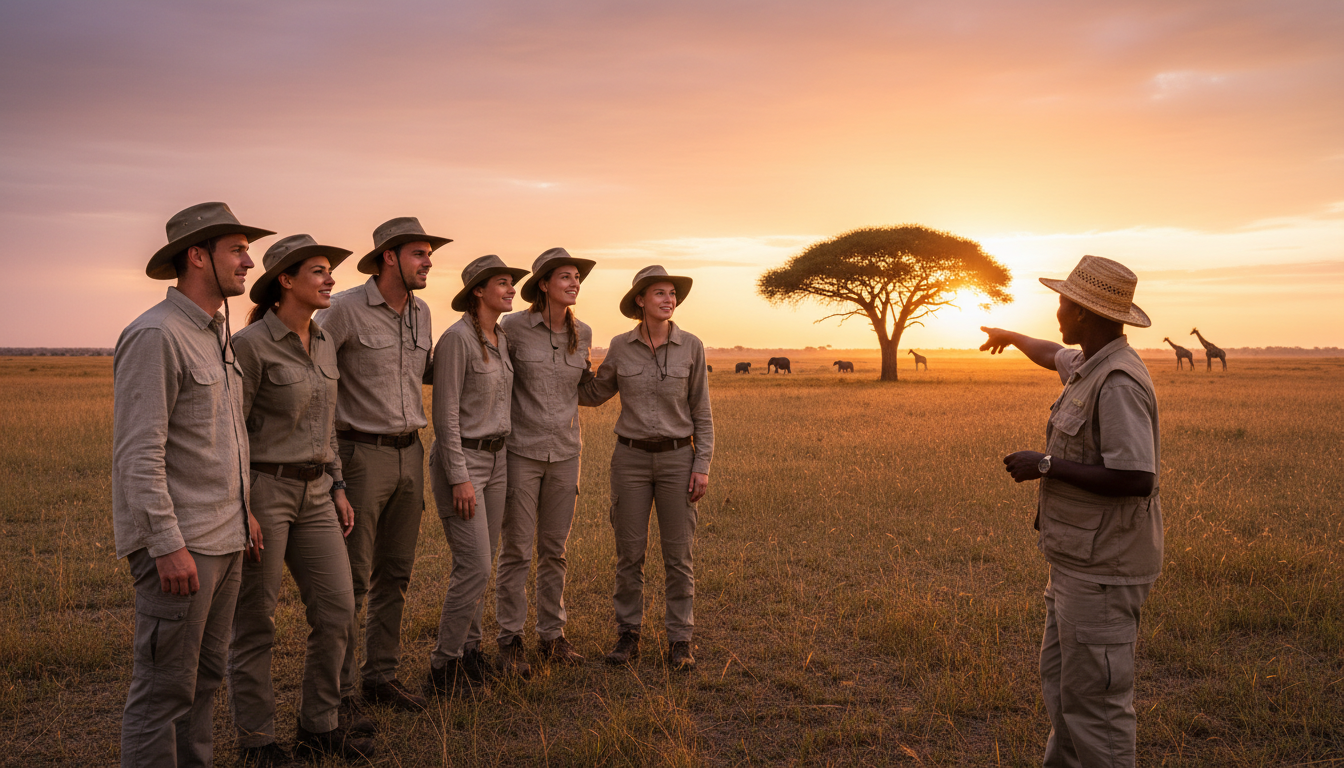
Africa is experiencing some of the most significant temperature increases globally. These rising temperatures can lead to heat stress and exacerbate existing health conditions. Elderly populations and those with pre-existing health issues are particularly susceptible to heat-related illnesses.
Heatwaves are becoming more common, increasing the incidence of dehydration, heatstroke, and other related conditions. Public health systems in many African countries are not equipped to handle the surge in cases, putting additional strain on already limited resources.
Water Scarcity and Sanitation Challenges
Climate change has a profound impact on water availability in Africa. Droughts and erratic rainfall patterns lead to water scarcity, which in turn affects sanitation and hygiene. This scarcity can cause outbreaks of waterborne diseases such as cholera and dysentery.

Communities relying on agriculture for their livelihoods are particularly hard-hit, as crop failures lead to food shortages and malnutrition. These challenges compound health risks, especially for children and vulnerable populations.
Increased Spread of Infectious Diseases
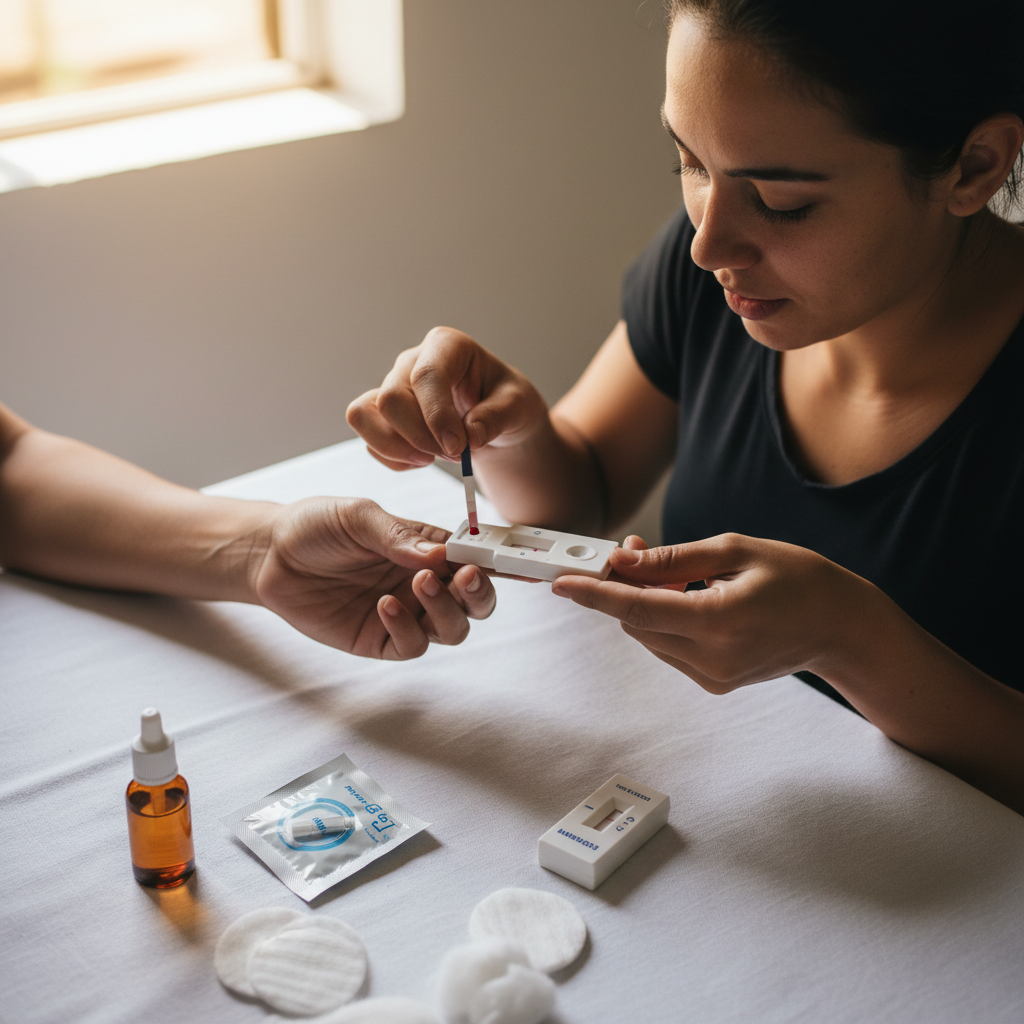
Climate change alters ecosystems, affecting the distribution of vectors like mosquitoes and ticks that carry diseases such as malaria and dengue fever. As temperatures rise, these vectors thrive in new areas, exposing more people to these diseases.
The burden of infectious diseases is expected to rise, overwhelming healthcare systems and leading to increased morbidity and mortality rates. Public health initiatives must adapt to these changes to effectively manage disease outbreaks.
Food Security and Nutritional Impacts
Food security is another critical issue linked to climate change. Changes in climate conditions affect agricultural productivity, leading to food shortages and higher prices. This situation results in malnutrition, particularly among children, affecting their growth and overall health.
Efforts to improve agricultural resilience through sustainable practices and technology are essential to mitigate these impacts. Ensuring food security is a crucial step in maintaining public health across the continent.
Mitigation and Adaptation Strategies
Addressing the health impacts of climate change in Africa requires a multi-faceted approach. Governments, NGOs, and communities must work together to develop effective mitigation and adaptation strategies. These include:
- Implementing early warning systems for heatwaves and disease outbreaks.
- Investing in renewable energy sources to reduce reliance on fossil fuels.
- Enhancing water management systems to ensure reliable access to clean water.
By taking proactive measures, Africa can build resilience against the health challenges posed by climate change, ensuring a healthier future for its populations.