Expert Insights: The Future of Healthcare in Africa
PH
Introduction
The healthcare landscape in Africa is rapidly evolving, driven by a combination of innovative technologies, increased investment, and a growing demand for accessible healthcare solutions. To understand the future trajectory, we need to explore key trends and insights from experts in the field.
Technological Advancements
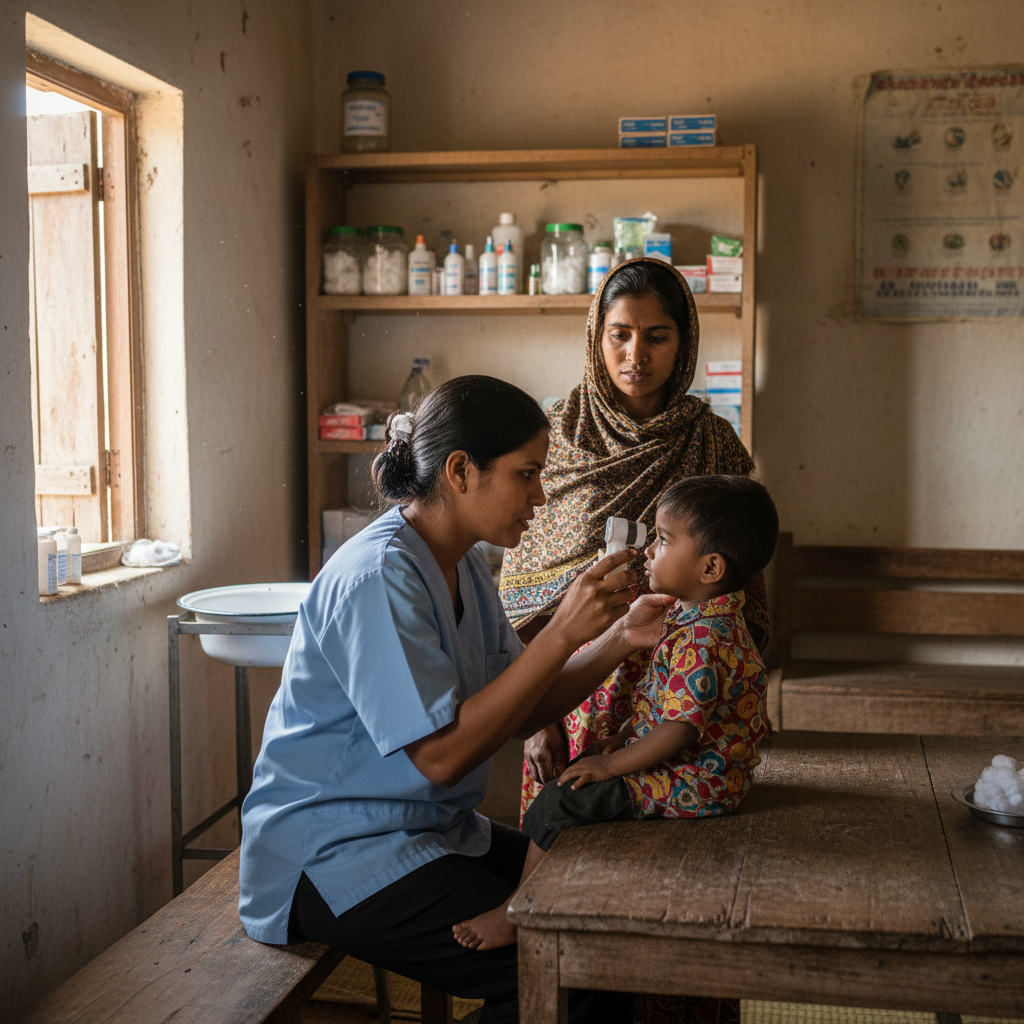
One of the most significant changes in African healthcare is the integration of technology. From telemedicine to mobile health applications, technology is bridging the gap between healthcare providers and patients. This shift is especially crucial in rural areas where access to healthcare services has traditionally been limited.
Experts predict that the use of artificial intelligence and machine learning will further enhance diagnostic accuracy and treatment efficiency. These technologies can analyze vast amounts of data to identify patterns and predict health outcomes, providing personalized care to patients.
Investment and Funding
The rise in investment from both public and private sectors is another critical factor shaping the future of healthcare in Africa. Governments are increasing their healthcare budgets, while international organizations and private investors are also contributing to the growth of the healthcare infrastructure.

This influx of funding is not only improving existing facilities but also encouraging the development of new healthcare centers and research institutions across the continent. Such efforts are crucial for addressing the complex health challenges faced by African nations.
Public Health Initiatives
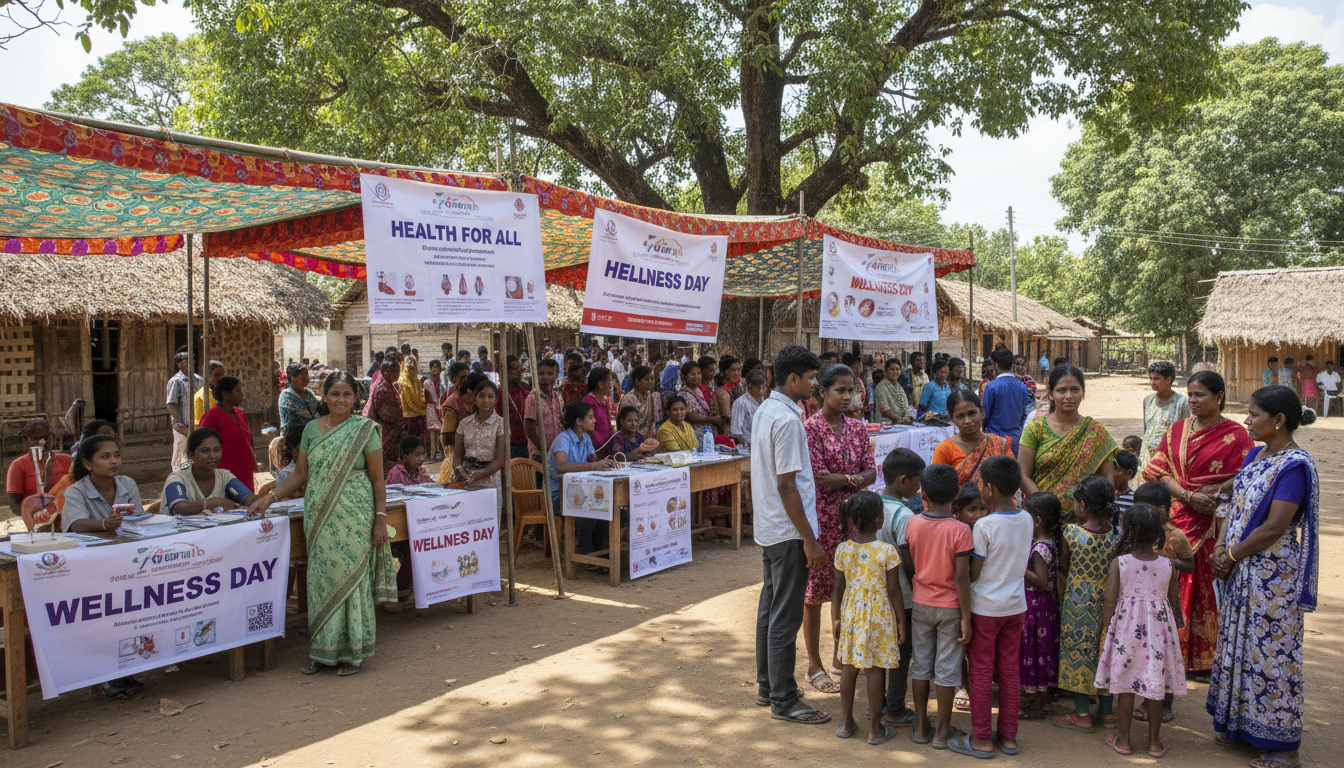
Public health initiatives are playing a vital role in transforming healthcare in Africa. Programs focused on preventive care, vaccination campaigns, and health education are helping to reduce the prevalence of infectious diseases and improve overall health outcomes.
Community-based health programs are empowering local populations by equipping them with knowledge and resources to manage their health proactively. These initiatives are essential for building resilient healthcare systems that can withstand future challenges.
Challenges and Opportunities
Despite the progress, several challenges remain. Infrastructure deficits, limited access to essential medicines, and a shortage of skilled healthcare professionals pose significant hurdles. However, these challenges also present opportunities for innovation and collaboration.
Partnerships between governments, NGOs, and the private sector are crucial for overcoming these obstacles. By working together, stakeholders can develop sustainable solutions that ensure equitable healthcare access for all Africans.
Conclusion
The future of healthcare in Africa is promising, with numerous opportunities for growth and improvement. By harnessing technology, increasing investment, and fostering collaboration, the continent can build a robust and inclusive healthcare system that meets the needs of its diverse population.
As we look ahead, it is essential for all stakeholders to remain committed to these goals, ensuring that the strides made today lead to a healthier and more prosperous future for Africa.