Expert Insights: Overcoming Public Health Obstacles in African Communities
PH
Introduction to Public Health Challenges in Africa
Public health is a crucial aspect of any community's well-being, particularly in African regions where unique challenges persist. These obstacles range from limited access to healthcare facilities to a shortage of trained professionals. Addressing these issues requires a multifaceted approach, leveraging both local and international expertise.
Infrastructure Development
One of the primary challenges is the lack of adequate infrastructure. Many communities still do not have access to basic health services due to poor roads and transportation systems. Improving infrastructure is essential for facilitating access to healthcare and enabling effective distribution of medical supplies.
Governments and organizations are working to improve infrastructure by investing in road construction and enhancing communication networks. These efforts aim to make healthcare facilities more accessible to remote populations.
Role of Technology
Technology plays a vital role in overcoming infrastructure challenges. Mobile health initiatives, for example, allow healthcare providers to reach patients in remote areas through telemedicine. These programs ensure that even the most isolated communities can receive timely medical advice.

Combating Infectious Diseases
Infectious diseases like malaria, HIV/AIDS, and tuberculosis remain prevalent in many African communities. Combating these diseases requires continuous education and vaccination programs. Health organizations are working tirelessly to implement widespread vaccination drives and public health campaigns to reduce infection rates.
Community health workers are pivotal in these efforts, providing valuable education on disease prevention and ensuring that vaccines and treatments reach those in need.
Innovative Solutions
Innovative solutions such as the introduction of rapid diagnostic tests and mobile clinics have significantly improved disease management. These tools allow for quick and accurate diagnosis, enabling prompt treatment and reducing the spread of infectious diseases.

Addressing Malnutrition and Food Security
Malnutrition is a persistent issue that affects many African communities, particularly children. Ensuring food security is crucial for improving public health outcomes. Various organizations are focusing on agricultural development and nutrition education to combat malnutrition.
Programs that promote sustainable farming practices and the cultivation of nutrient-rich crops are essential. Additionally, educating communities about balanced diets and nutrition can lead to long-term improvements in health.
Community Engagement
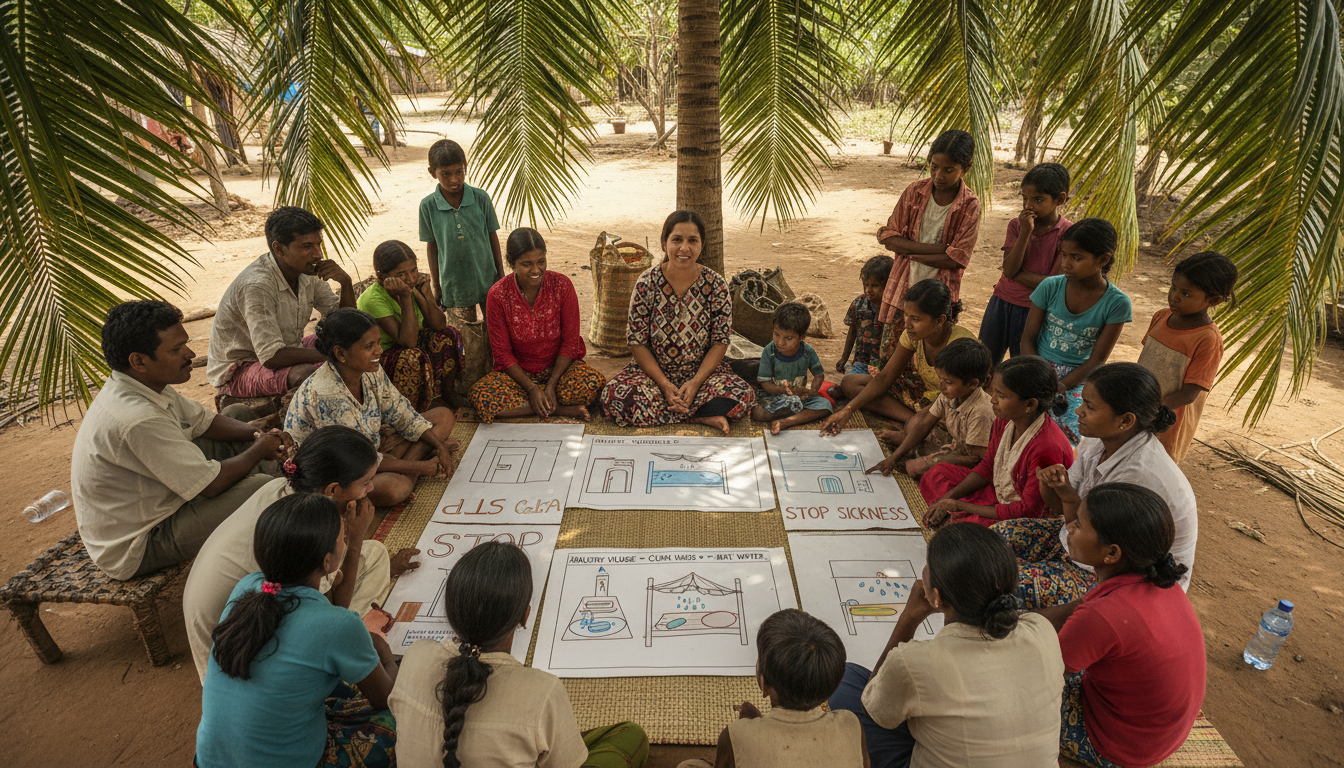
Engaging local communities in health initiatives is critical for success. By involving community leaders and members in planning and implementation, health programs are more likely to be accepted and sustained. This engagement fosters a sense of ownership and empowers communities to take charge of their health.

Conclusion: A Collaborative Future
Overcoming public health obstacles in African communities requires a collaborative approach, combining local knowledge with global expertise. By addressing infrastructure, leveraging technology, combating infectious diseases, and ensuring food security, significant strides can be made.
Continued investment and partnership are essential for building resilient health systems that can withstand future challenges. Together, we can create healthier, more sustainable communities across Africa.