Debunking Common Myths About African Public Health
PH
Understanding African Public Health
When it comes to African public health, a myriad of myths and misconceptions often cloud the true picture. These myths can hinder the progress of health initiatives and perpetuate stereotypes that do not reflect the reality on the ground. It's crucial to debunk these myths to appreciate the strides made in improving health outcomes across the continent.
Myth 1: Africa Lacks Healthcare Infrastructure
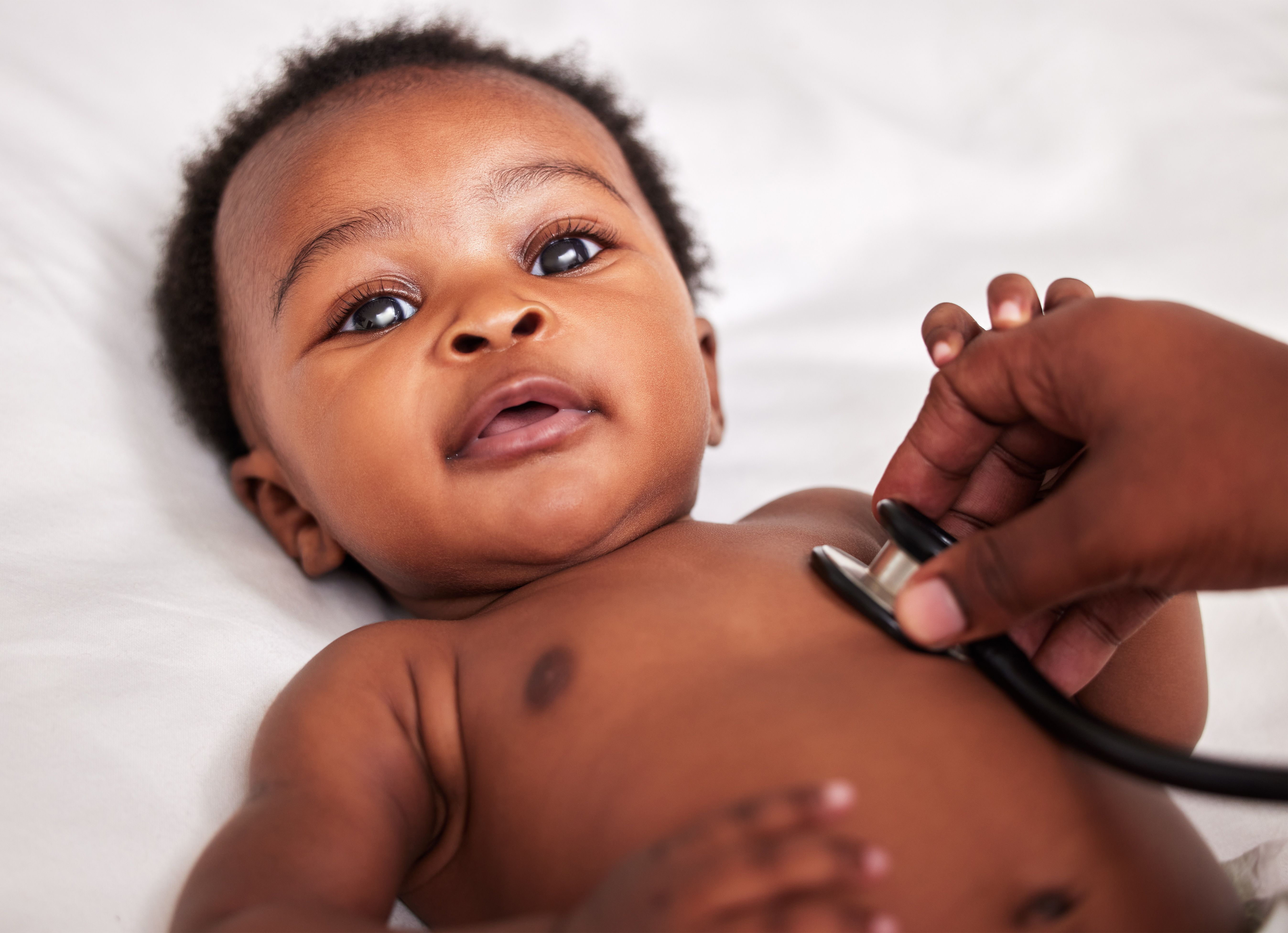
One common myth is that Africa lacks any form of healthcare infrastructure. While it's true that some regions face challenges, many African countries have made significant investments in healthcare infrastructure. There are numerous modern hospitals, clinics, and medical research facilities across the continent. For example, countries like South Africa, Kenya, and Nigeria have become hubs for advanced medical treatments and research.
The ongoing development in telemedicine and mobile health technologies is also transforming healthcare delivery in remote areas, providing access to services that were previously unavailable.
Myth 2: All Diseases in Africa Are Epidemic
Another prevalent myth is the assumption that diseases in Africa are predominantly epidemic. While Africa has faced its share of epidemics, such as Ebola, the continent is not defined by them. Many countries have robust systems in place to manage and prevent outbreaks.
In reality, non-communicable diseases such as diabetes, hypertension, and cancer are increasingly becoming a focus of public health efforts. African health systems are adapting to manage these challenges through education, prevention, and treatment programs.
Myth 3: Africa Relies Solely on Foreign Aid
The notion that African public health relies entirely on foreign aid is misleading. While international aid plays a role, many African nations have developed sustainable health financing strategies. Governments are increasingly allocating national resources to health budgets, and there is a growing emphasis on building self-reliant health systems.
Local communities, NGOs, and private sectors are also contributing significantly to health initiatives, demonstrating a commitment to health improvements from within the continent.

Myth 4: Traditional Medicine Dominates Healthcare
It is often assumed that traditional medicine is the primary form of healthcare in Africa. While traditional practices are part of the cultural heritage and still used in various communities, they do not dominate the healthcare landscape. Modern medicine is widely practiced, and there is an increasing integration of traditional and modern practices to enhance healthcare delivery.
Training and education in conventional medical fields continue to grow, with many African universities offering competitive medical programs that produce skilled healthcare professionals.
Myth 5: Africa Is Not Innovating in Healthcare
Contrary to the belief that Africa is not involved in healthcare innovation, the continent is a hotbed of creativity and advancement. From mobile health applications to cutting-edge research in tropical diseases, African innovators are making significant contributions to global health.

Collaborative efforts between African institutions and global partners are fostering an environment where healthcare solutions are being developed and implemented, not just for Africa, but for the world.
Conclusion: Changing the Narrative
Debunking these myths is essential for changing perceptions about African public health. The continent is diverse and dynamic, with a wealth of knowledge, resources, and innovative solutions. By understanding the realities and acknowledging the progress, we can support and celebrate the achievements in African public health.