Comprehensive Guide to Public Health Challenges in Africa
PH
Introduction to Public Health in Africa
Africa faces a range of public health challenges that impact millions of lives across the continent. These issues, while diverse and complex, share common roots in socioeconomic conditions, limited resources, and emerging threats. Addressing these challenges requires a multifaceted approach that involves governments, international organizations, and local communities working together.

Communicable Diseases
HIV/AIDS and Tuberculosis
HIV/AIDS remains one of the most significant public health challenges in Africa. The continent is home to over two-thirds of the global population living with HIV. Efforts to combat this crisis include widespread education, improving access to antiretroviral therapy, and reducing stigma. Tuberculosis (TB) is another major concern, often exacerbated by its co-infection with HIV, which complicates treatment and increases mortality rates.
Malaria
Malaria continues to be a leading cause of morbidity and mortality in Africa, particularly affecting children under five. Strategies to combat malaria include the distribution of insecticide-treated mosquito nets, indoor residual spraying, and effective case management. Despite progress, challenges like insecticide resistance and climate change threaten these efforts.

Non-Communicable Diseases
Rise of Chronic Illnesses
Non-communicable diseases (NCDs) are on the rise in Africa, with cardiovascular diseases, diabetes, and cancer becoming increasingly prevalent. This shift is driven by urbanization, lifestyle changes, and an aging population. Public health strategies must adapt to include education on healthy lifestyles, improved healthcare infrastructure, and increased access to screenings and treatments.
Mental Health
Mental health is an often-overlooked aspect of public health in Africa. Stigma and limited resources contribute to inadequate mental health care. Initiatives to integrate mental health services into primary health care, along with community-based programs, are essential for addressing this growing concern.

Infrastructural Challenges
Healthcare Systems
Africa's healthcare systems face numerous challenges, including insufficient funding, inadequate infrastructure, and a shortage of healthcare professionals. Strengthening these systems is crucial for delivering effective healthcare services. Investment in training, technology, and infrastructure development is essential for sustainable improvement.
Water and Sanitation
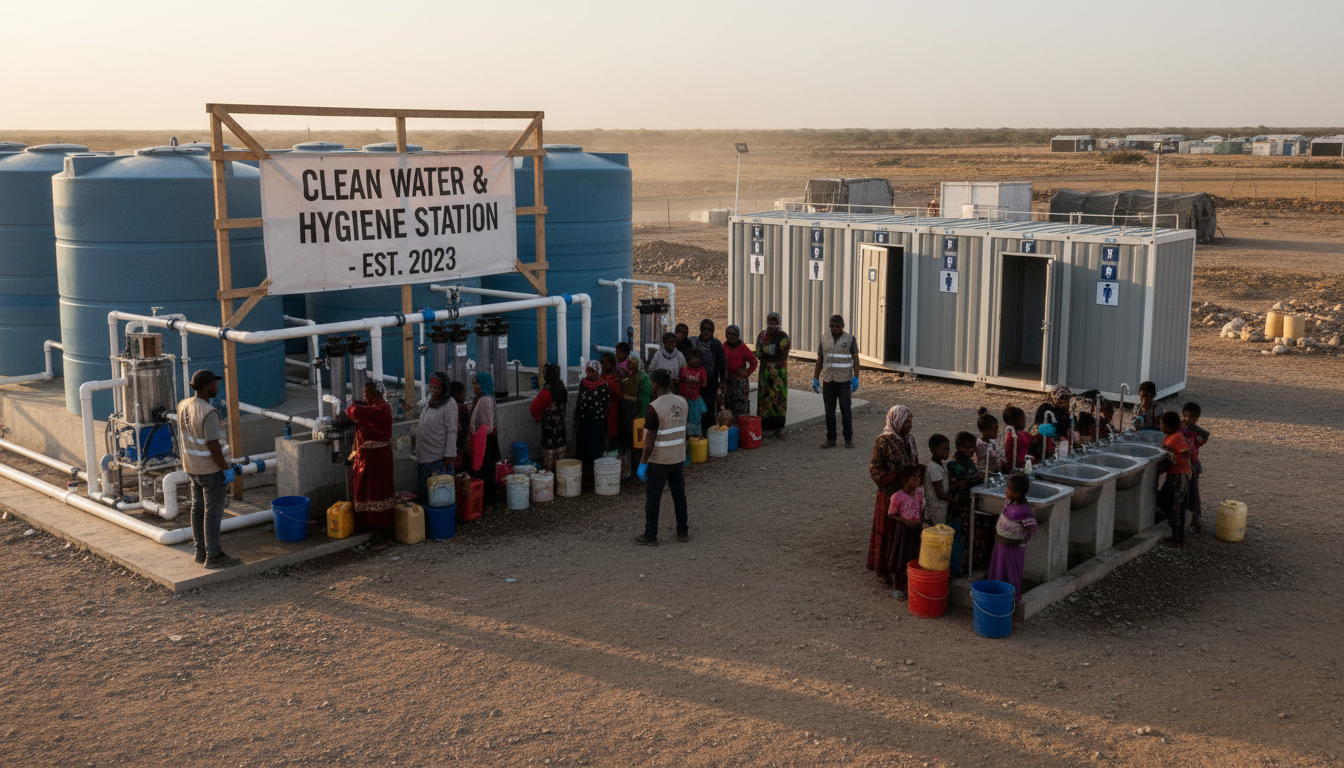
Access to clean water and proper sanitation is a fundamental public health issue that affects millions across Africa. Poor water quality and inadequate sanitation facilities contribute to the spread of waterborne diseases such as cholera and diarrhea. Efforts to improve water and sanitation infrastructure are vital for enhancing public health outcomes.
Conclusion
Addressing public health challenges in Africa requires a comprehensive approach that considers the complex interplay of factors affecting health. While significant progress has been made, ongoing efforts and collaboration are essential to overcome these challenges. By prioritizing health equity, investing in infrastructure, and empowering communities, Africa can move towards a healthier future.