Case Study: Successful Public Health Initiatives in African Regions
PH
Introduction to Public Health Initiatives
Public health initiatives play a crucial role in improving the overall health and well-being of communities around the world. In African regions, these initiatives have been particularly impactful, addressing a range of challenges from infectious diseases to maternal and child health. This case study explores some of the most successful public health initiatives in Africa, highlighting their strategies and outcomes.
Combating Infectious Diseases
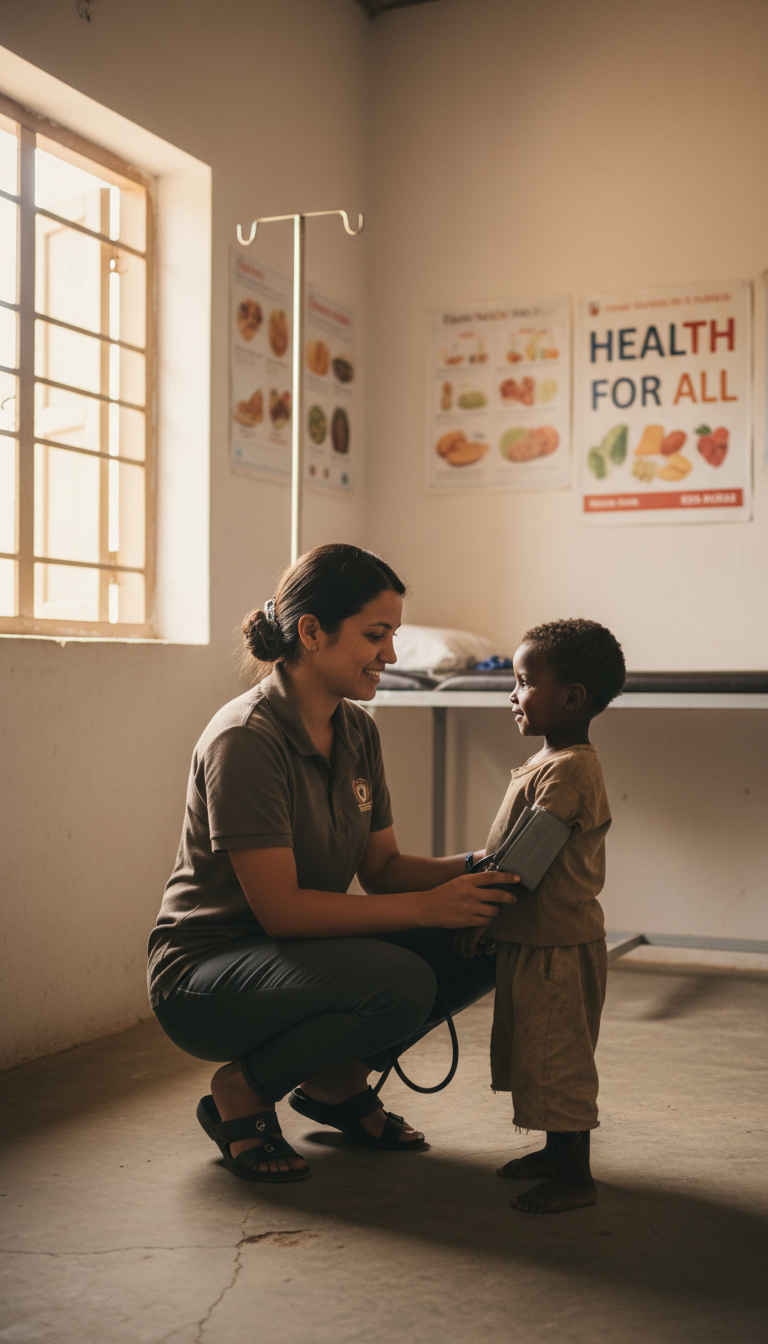
One of the most significant public health challenges in Africa has been the fight against infectious diseases such as malaria, HIV/AIDS, and tuberculosis. Through coordinated efforts, many regions have achieved remarkable success. For instance, the distribution of insecticide-treated mosquito nets has dramatically reduced malaria incidence in several countries. Additionally, widespread HIV testing and antiretroviral therapy have transformed the management of HIV/AIDS.
Malaria Prevention Initiatives
Malaria prevention has been a top priority, with initiatives focusing on mosquito control and public education. The introduction of insecticide-treated bed nets and indoor residual spraying has contributed to a significant decline in malaria-related deaths. These efforts, combined with community participation, have been instrumental in saving lives.
HIV/AIDS Awareness and Treatment
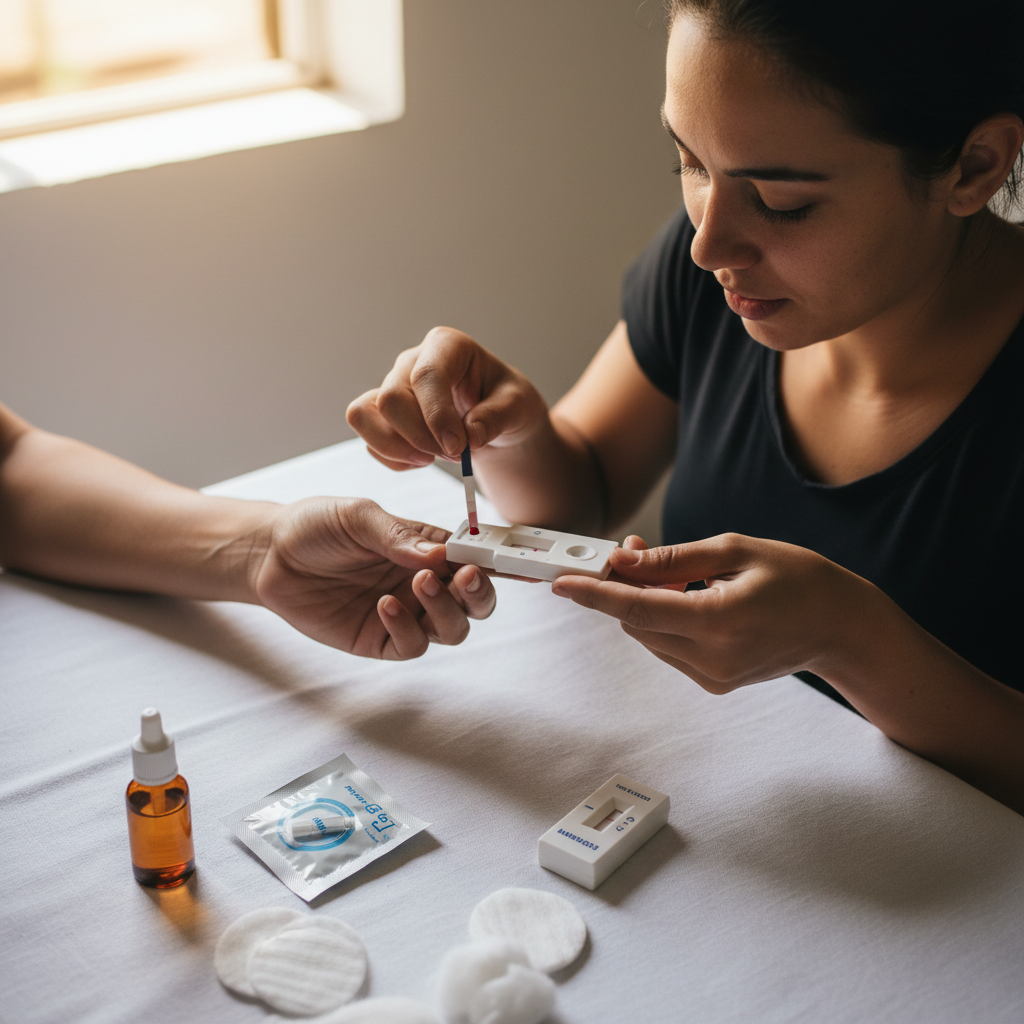
HIV/AIDS programs have focused on increasing awareness and reducing stigma. The implementation of widespread testing and the availability of antiretroviral drugs have allowed many individuals to lead healthier lives. Partnerships with international organizations have further enhanced these initiatives by providing funding and resources.
Maternal and Child Health
Improving maternal and child health has been another critical area for public health initiatives. Efforts have focused on enhancing access to prenatal care, skilled birth attendants, and vaccinations. These initiatives have significantly reduced maternal and child mortality rates.

Access to Prenatal Care
Community health programs have prioritized access to prenatal care, ensuring that expectant mothers receive necessary medical attention. Health education campaigns have also played a role in encouraging women to seek care early in their pregnancies.
Vaccination Programs
Vaccination programs have been pivotal in preventing childhood diseases. By increasing immunization coverage, these initiatives have reduced the prevalence of diseases such as measles and polio, contributing to healthier childhoods across many regions.
Conclusion: Lessons Learned
The success of public health initiatives in African regions offers valuable lessons for other parts of the world. Key factors include community involvement, international collaboration, and sustained funding. By building on these successful strategies, future initiatives can continue to improve health outcomes and enhance quality of life.
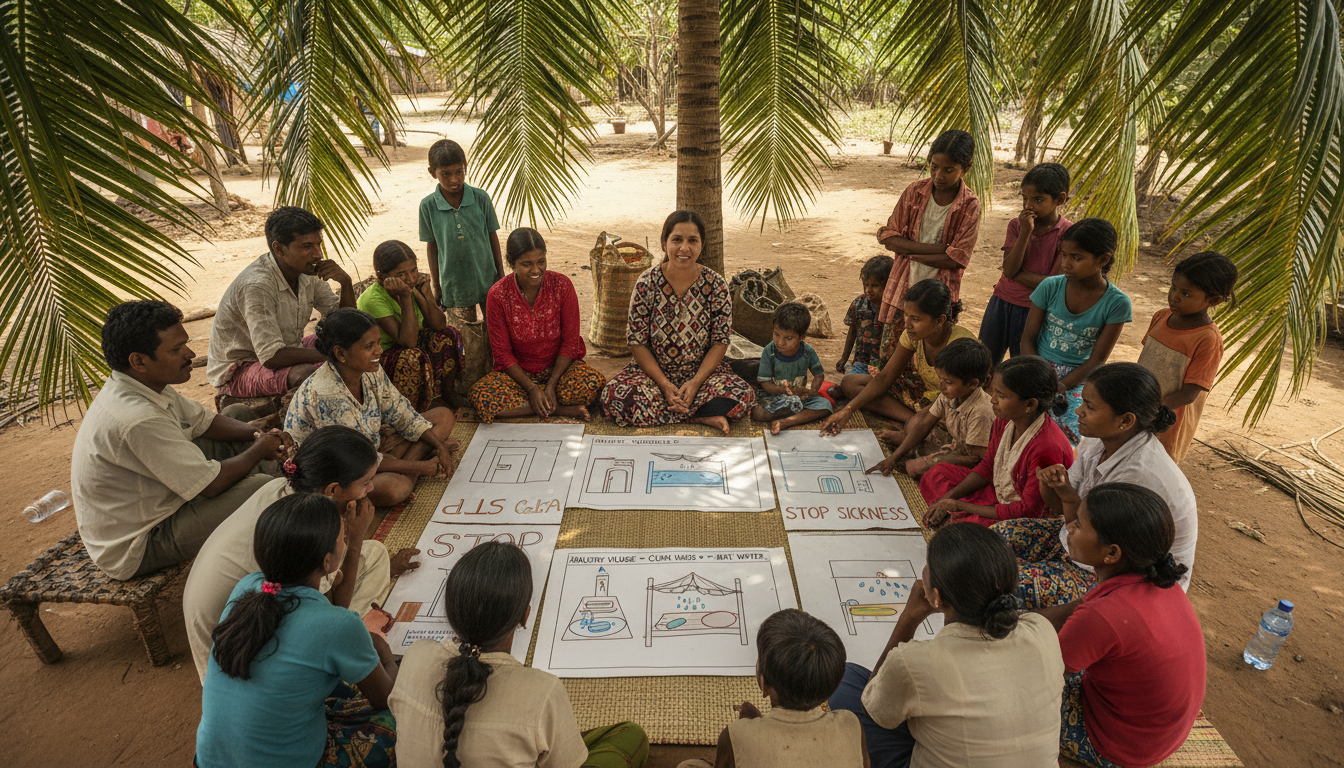
The ongoing commitment to public health in Africa demonstrates the power of coordinated action and innovation. These initiatives not only address immediate health challenges but also lay the foundation for a healthier future.