Building Resilient Communities: A Comprehensive Guide
PH
Understanding the Importance of Resilient Communities
In today's rapidly changing world, the concept of resilient communities has become increasingly vital. Communities that can adapt to challenges such as natural disasters, economic shifts, and social changes are better positioned to thrive. Building resilience involves fostering a strong sense of community, investing in infrastructure, and promoting sustainable practices.
Resilient communities are characterized by their ability to bounce back from adversity and continue to grow. They are not only prepared for emergencies but also equipped to leverage opportunities that arise from challenges. This adaptability is crucial for long-term sustainability and well-being.

Key Elements of Resilient Communities
Social Cohesion and Networking
A resilient community is built on strong social ties and active networks. Social cohesion fosters trust and collaboration, enabling community members to support each other during difficult times. Creating opportunities for community engagement, such as local events and volunteer programs, can enhance these connections.
Infrastructure and Resource Management
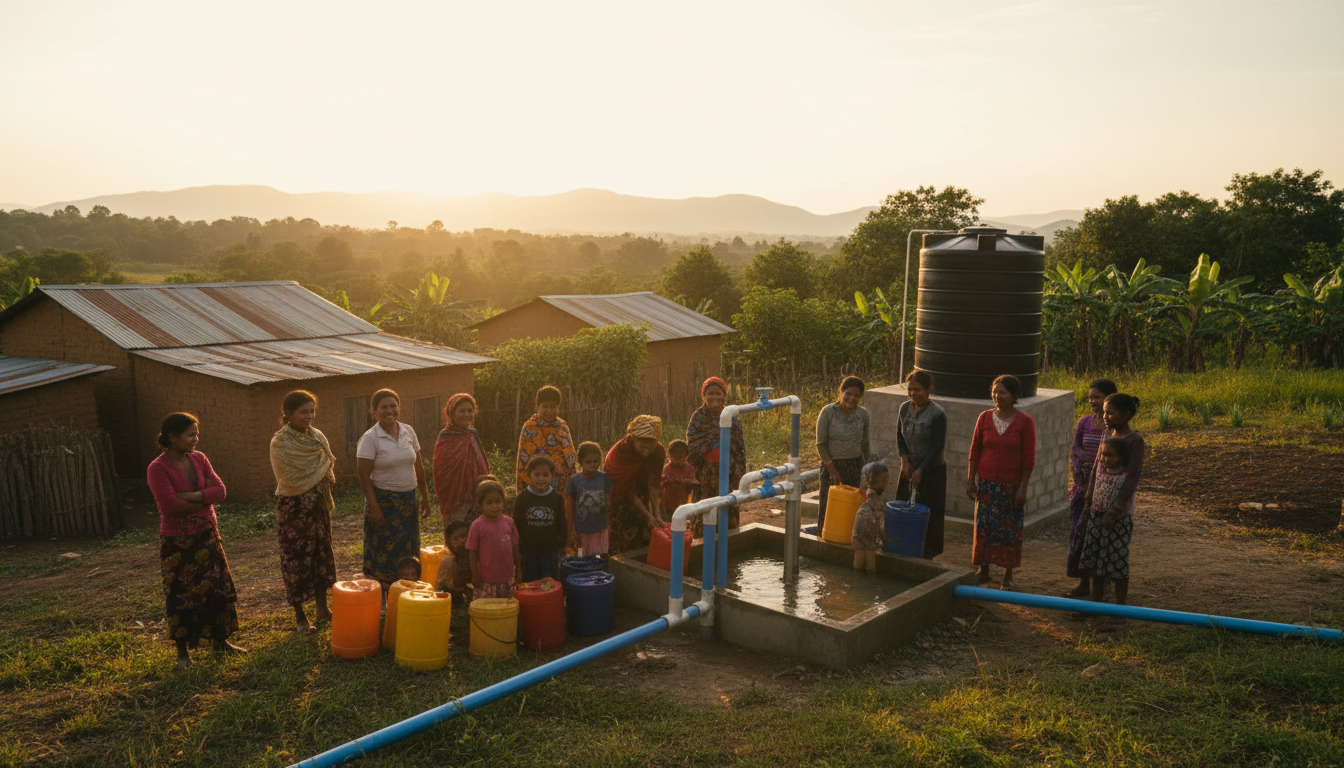
Investing in robust infrastructure is essential for community resilience. This includes ensuring access to essential services such as healthcare, education, and transportation. Effective resource management, such as water and energy conservation, also plays a critical role in maintaining community stability.
Sustainable Practices for Long-Term Resilience
Environmental Stewardship
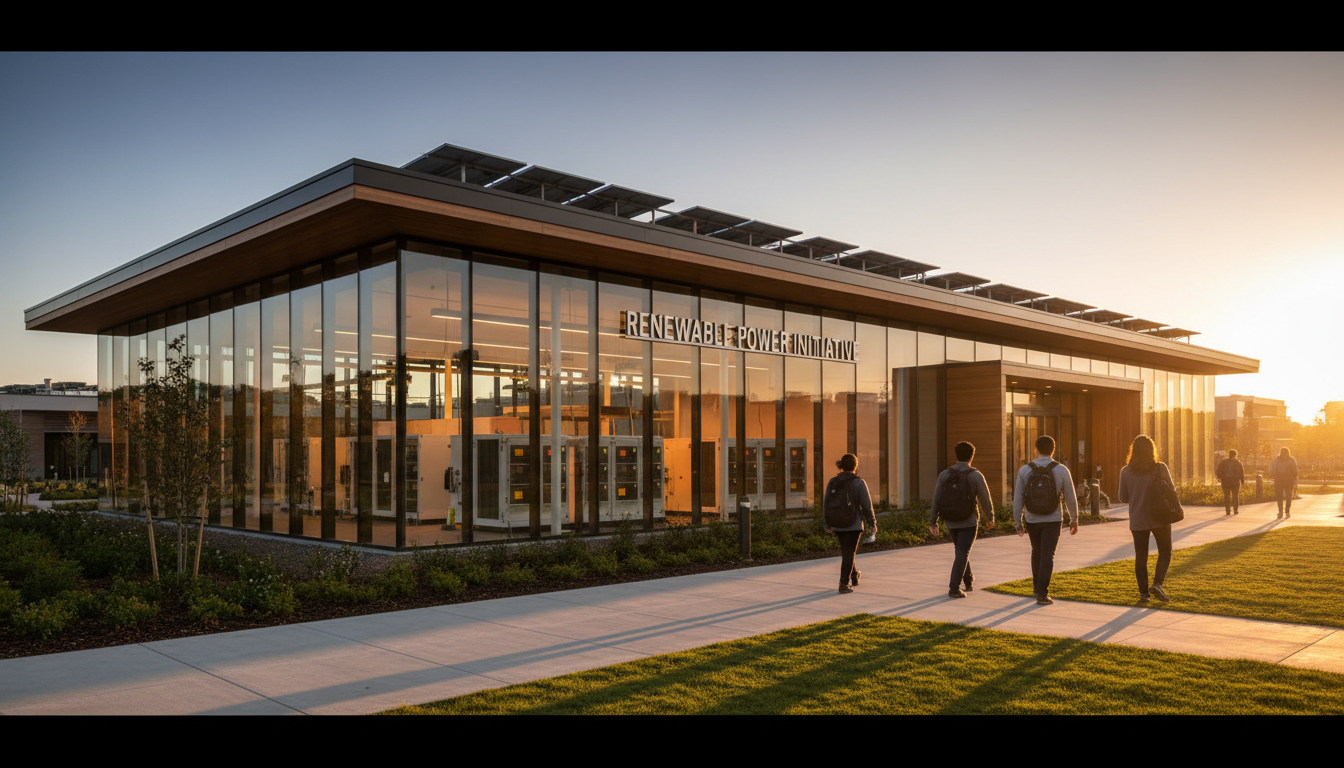
Adopting sustainable environmental practices can significantly enhance community resilience. This involves promoting renewable energy, reducing waste, and protecting natural habitats. Communities that prioritize environmental stewardship are better equipped to handle the impacts of climate change and other ecological challenges.
Economic Diversification
Economic resilience is achieved through diversification. Communities that rely on a single industry are more vulnerable to economic downturns. Encouraging local entrepreneurship, supporting small businesses, and exploring new industries can create a more stable economic environment.
Community Engagement and Education
Education and awareness are powerful tools in building resilient communities. By providing access to information and resources, communities can empower individuals to make informed decisions and take proactive measures. Educational programs focused on resilience can help residents understand the importance of preparedness and collaboration.
Community workshops, seminars, and online resources can be effective ways to disseminate information and engage community members. Encouraging lifelong learning and skill development can foster a culture of resilience and adaptability.

Conclusion
Building resilient communities is an ongoing process that requires commitment and collaboration from all stakeholders. By focusing on social cohesion, sustainable practices, and education, communities can enhance their ability to withstand and recover from challenges. The journey toward resilience is not only about surviving but thriving in the face of adversity.
As we continue to navigate an ever-changing world, the importance of resilience cannot be overstated. By taking proactive steps today, communities can secure a brighter, more sustainable future for generations to come.