Addressing Public Health Challenges: Case Studies from Africa
PH
Introduction to Public Health Challenges in Africa
Africa faces a myriad of public health challenges that require innovative solutions and collaborative efforts. These challenges range from infectious diseases to malnutrition and inadequate healthcare infrastructure. Addressing these issues is crucial for improving the overall health and well-being of the continent's population.
Despite these challenges, there are numerous success stories that highlight effective strategies and interventions. By examining these case studies, we can gain valuable insights into what works and how these successes can be replicated elsewhere.
Combatting Infectious Diseases
Malaria Prevention in Tanzania
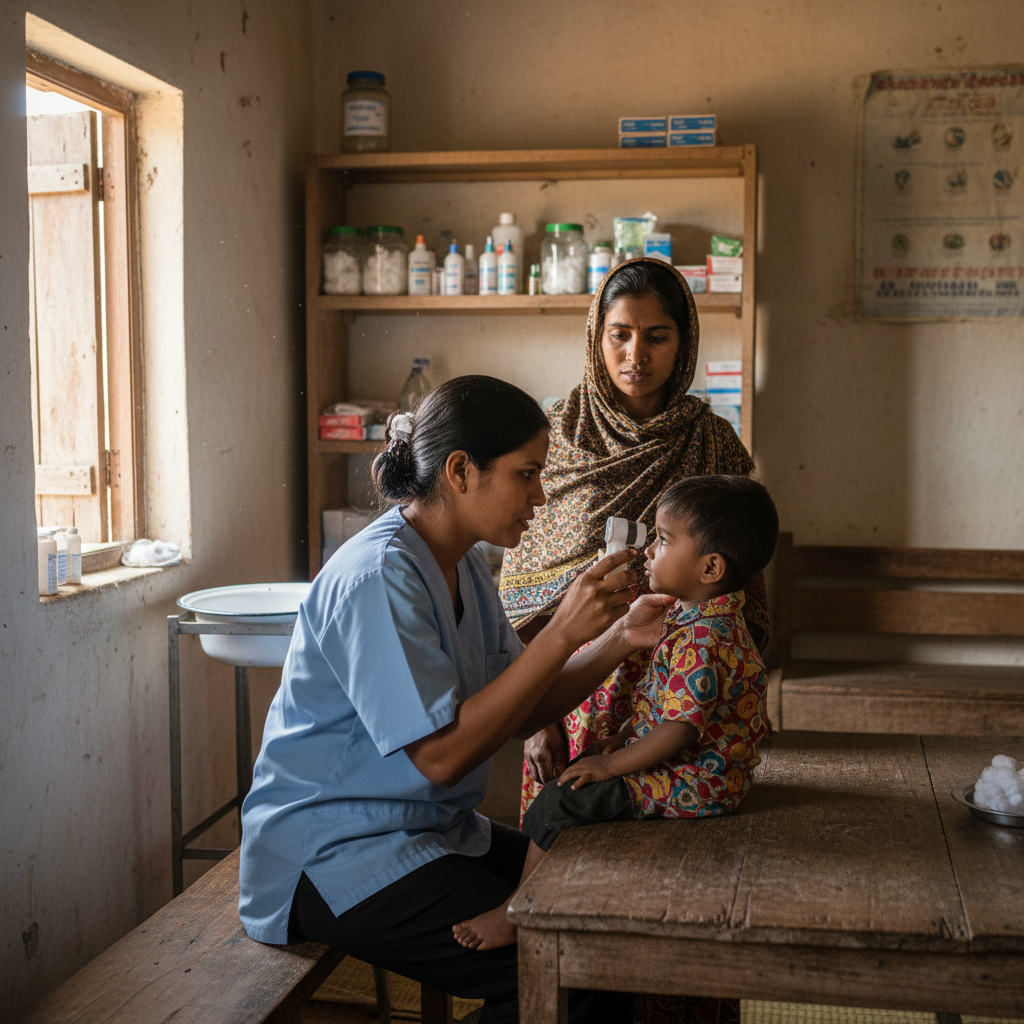
In Tanzania, malaria is a significant public health concern. To combat this, the government, in collaboration with international partners, has implemented widespread distribution of insecticide-treated bed nets. This initiative has significantly reduced malaria incidence, particularly among vulnerable populations such as children and pregnant women.
Community education programs have also played a vital role in raising awareness about the importance of using bed nets and seeking prompt treatment. These efforts have contributed to a remarkable decline in malaria-related mortality rates in the region.
Addressing Malnutrition
Nutrition Programs in Ethiopia
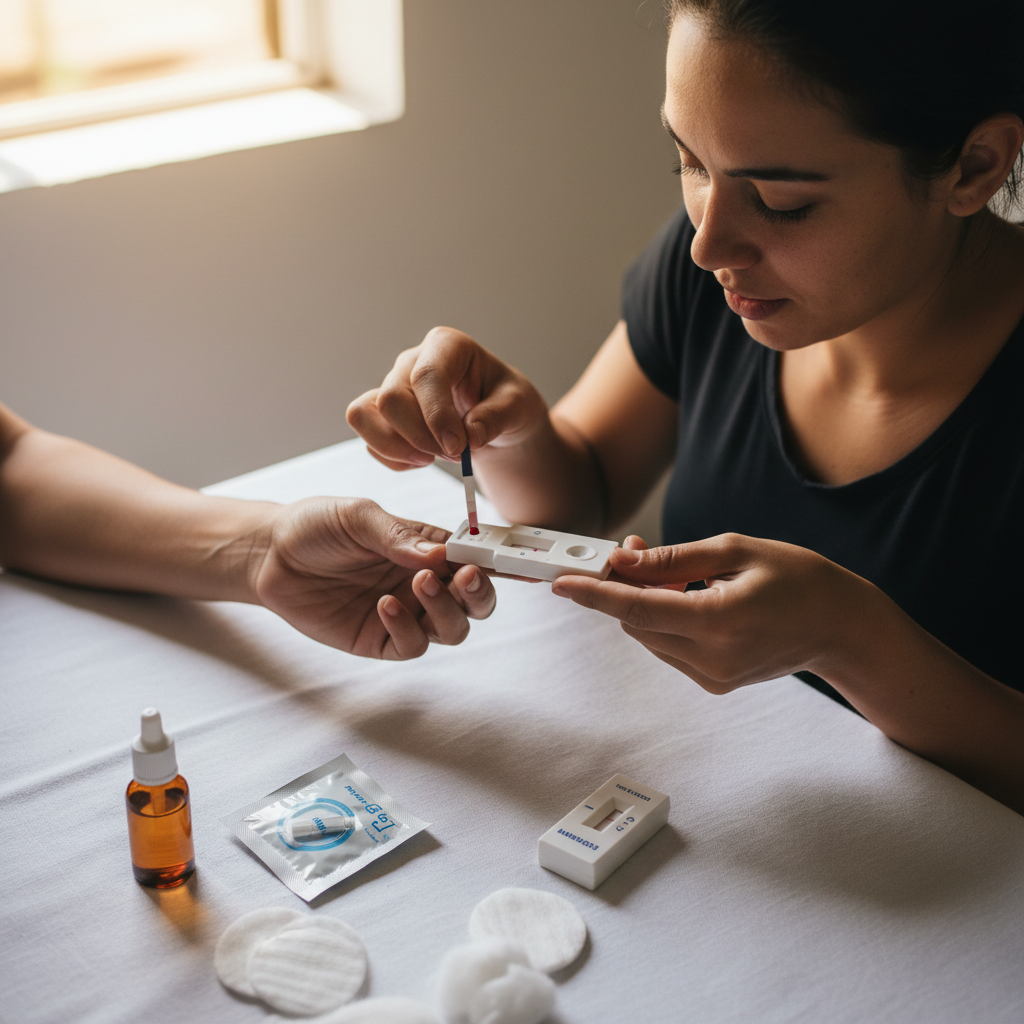
Malnutrition is a persistent issue in many African countries, including Ethiopia. The government, with support from NGOs, has launched nutrition programs aimed at improving child health. By providing supplements and fortified foods, these programs address deficiencies that can lead to stunted growth and other health problems.
Moreover, training local health workers to educate mothers about proper nutrition has empowered communities to make informed decisions about their diets. Such initiatives have been integral in reducing malnutrition rates and improving child health outcomes.

Improving Healthcare Access
Mobile Clinics in Kenya
In rural Kenya, access to healthcare services is often limited. To bridge this gap, mobile clinics have been introduced to bring healthcare directly to underserved communities. These clinics provide essential services such as immunizations, maternal care, and basic medical treatments.
Additionally, mobile clinics have become crucial in health education, offering advice on hygiene practices and disease prevention. This approach not only increases access to healthcare but also builds trust between healthcare providers and communities.

Conclusion
These case studies from Africa demonstrate that addressing public health challenges requires a multifaceted approach. By leveraging local resources, fostering community engagement, and collaborating with international partners, significant progress can be made.
As we continue to learn from these examples, it becomes evident that sustainable solutions are achievable. By replicating these successful strategies, other regions facing similar challenges can also improve their public health outcomes, paving the way for a healthier future.