Addressing Common Misconceptions in African Public Health
PH
Understanding the Complex Landscape of African Public Health
African public health systems are often misunderstood, leading to misconceptions that can hinder progress. While it's true that some regions face significant challenges, the narrative is far more complex and nuanced. It's crucial to address these misconceptions to support effective solutions.
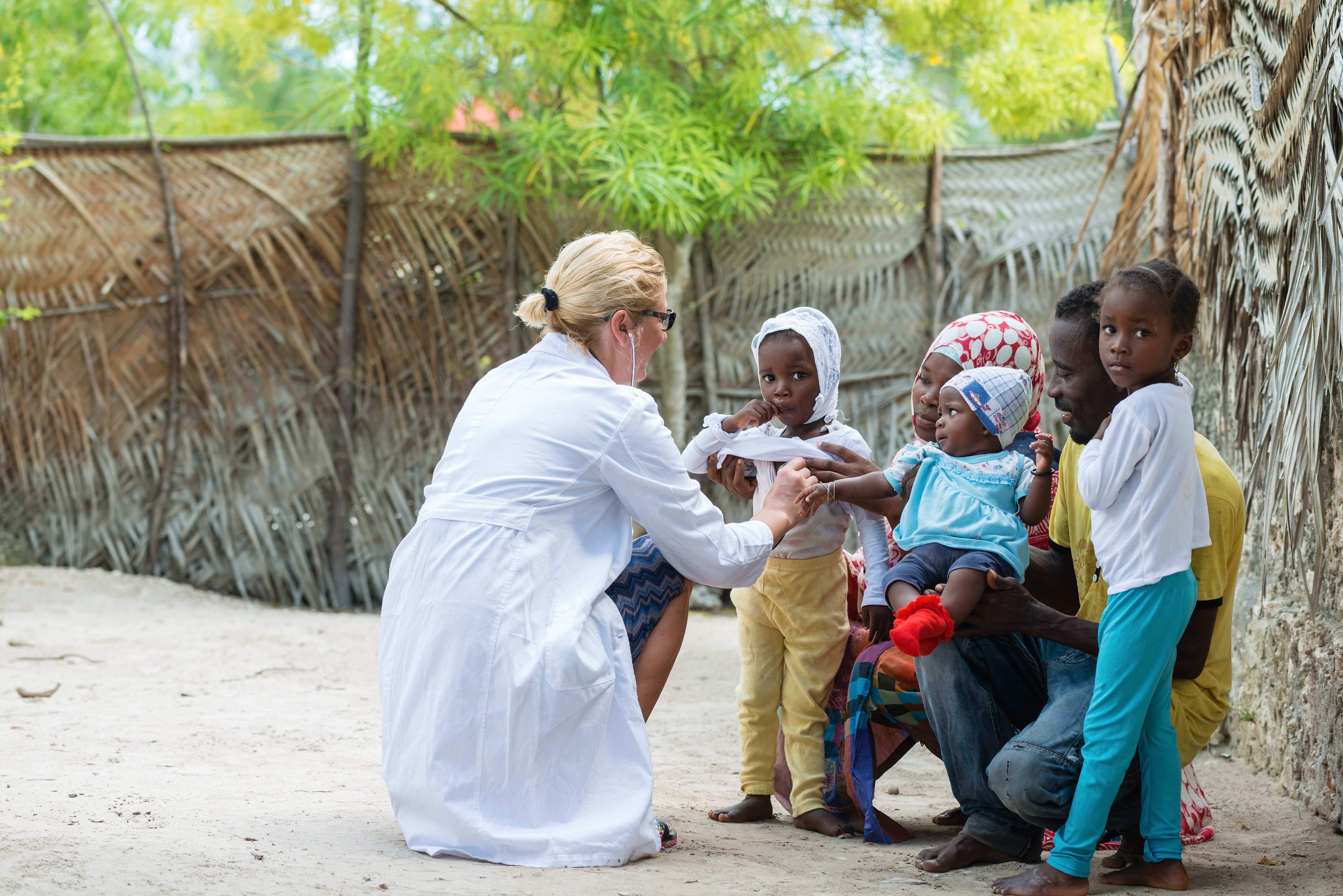
Misconception 1: Africa Is a Homogeneous Entity
One of the most prevalent misconceptions is treating Africa as a single entity. In reality, Africa is a diverse continent with 54 countries, each with unique health systems, challenges, and resources. This diversity means that public health solutions must be tailored to the specific needs of each region.
For instance, while some countries face high rates of infectious diseases, others are more concerned with non-communicable diseases. Recognizing this diversity is crucial for implementing effective health interventions.
Misconception 2: Lack of Resources Equals Ineffectiveness
Another common misconception is that a lack of resources automatically translates to ineffective healthcare systems. Despite limited resources, many African countries have made significant strides in public health through innovative solutions and partnerships.

Community health workers, mobile health technologies, and international collaborations have been pivotal in advancing healthcare. These efforts demonstrate resilience and adaptability in addressing public health challenges.
Misconception 3: External Aid Is the Only Solution
While international aid plays a role, it's not the sole solution for improving public health in Africa. Local initiatives and government policies are equally important. Strengthening healthcare infrastructure, investing in education, and promoting local research are key to sustainable development.
Empowering local communities to take charge of their health initiatives ensures that solutions are culturally relevant and sustainable in the long run.

Misconception 4: Focus Is Only on Infectious Diseases
It's a widespread belief that African public health systems are solely focused on combating infectious diseases like HIV/AIDS and malaria. While these are critical areas, there's also a growing emphasis on tackling non-communicable diseases, mental health, and maternal and child health.
Efforts to address lifestyle-related diseases, increase mental health awareness, and improve maternal care are increasingly becoming priorities in many countries.
The Importance of Changing the Narrative
Addressing these misconceptions is vital for fostering a more accurate understanding of African public health. By acknowledging the diversity and resilience of African health systems, we can better support and collaborate on solutions that are effective and sustainable.
Through education, collaboration, and innovation, the global community can work alongside African countries to improve health outcomes for all.