Addressing Common Misconceptions About Public Health in Africa
PH
Understanding Public Health in Africa
Public health in Africa is often misunderstood, leading to a range of misconceptions that can hinder effective interventions and policy-making. Addressing these misconceptions is crucial for fostering a more accurate understanding and promoting better health outcomes.
Misconception 1: Africa Is a Homogeneous Entity
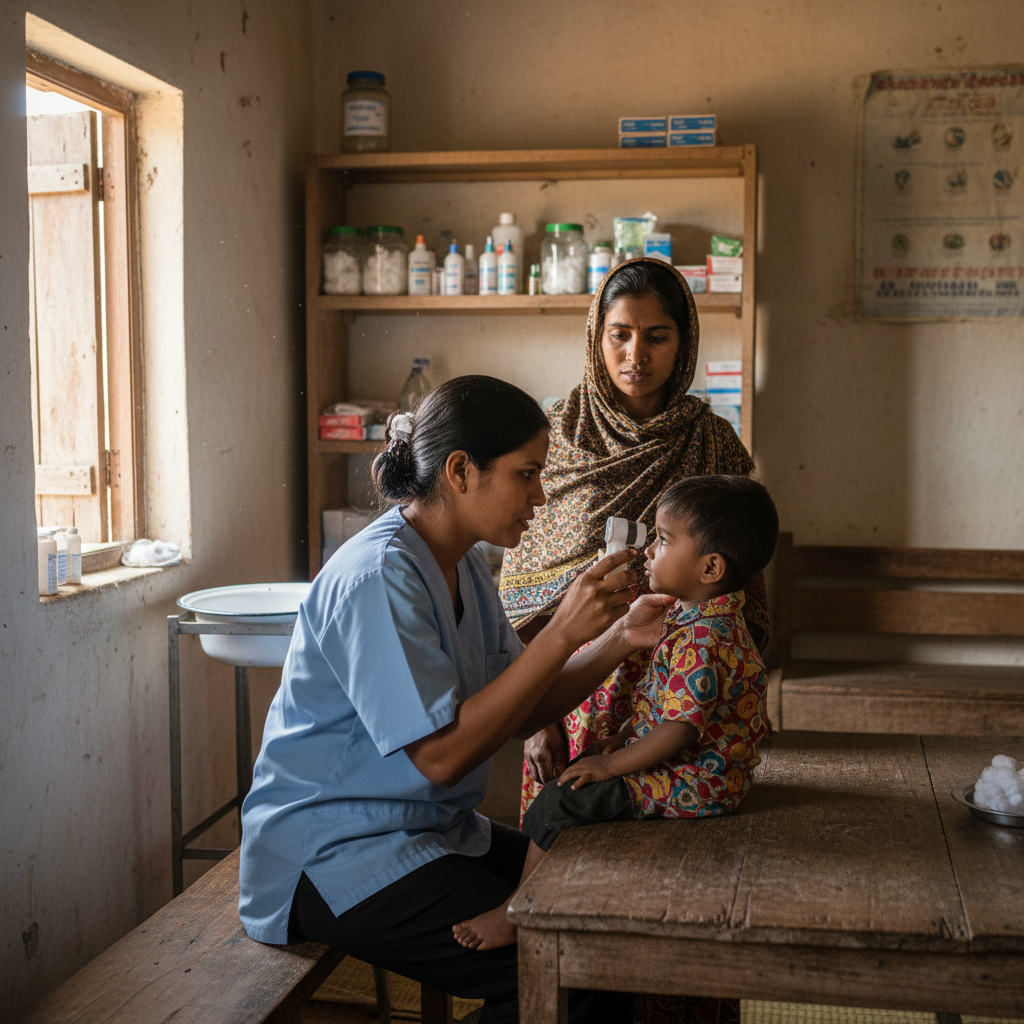
One of the most common misconceptions is viewing Africa as a single entity rather than a continent with 54 diverse countries. Each country has unique public health challenges and resources, influenced by its socio-economic, cultural, and political landscapes.
For instance, the health issues faced in Nigeria may differ significantly from those in Kenya, necessitating tailored approaches rather than a one-size-fits-all solution. Recognizing this diversity is crucial for effective public health strategies.
Misconception 2: Infectious Diseases Are the Only Concern
While infectious diseases like malaria and HIV/AIDS remain significant challenges, non-communicable diseases (NCDs) such as diabetes, hypertension, and cancer are rising in prevalence. This shift requires a dual-focus approach to health interventions.
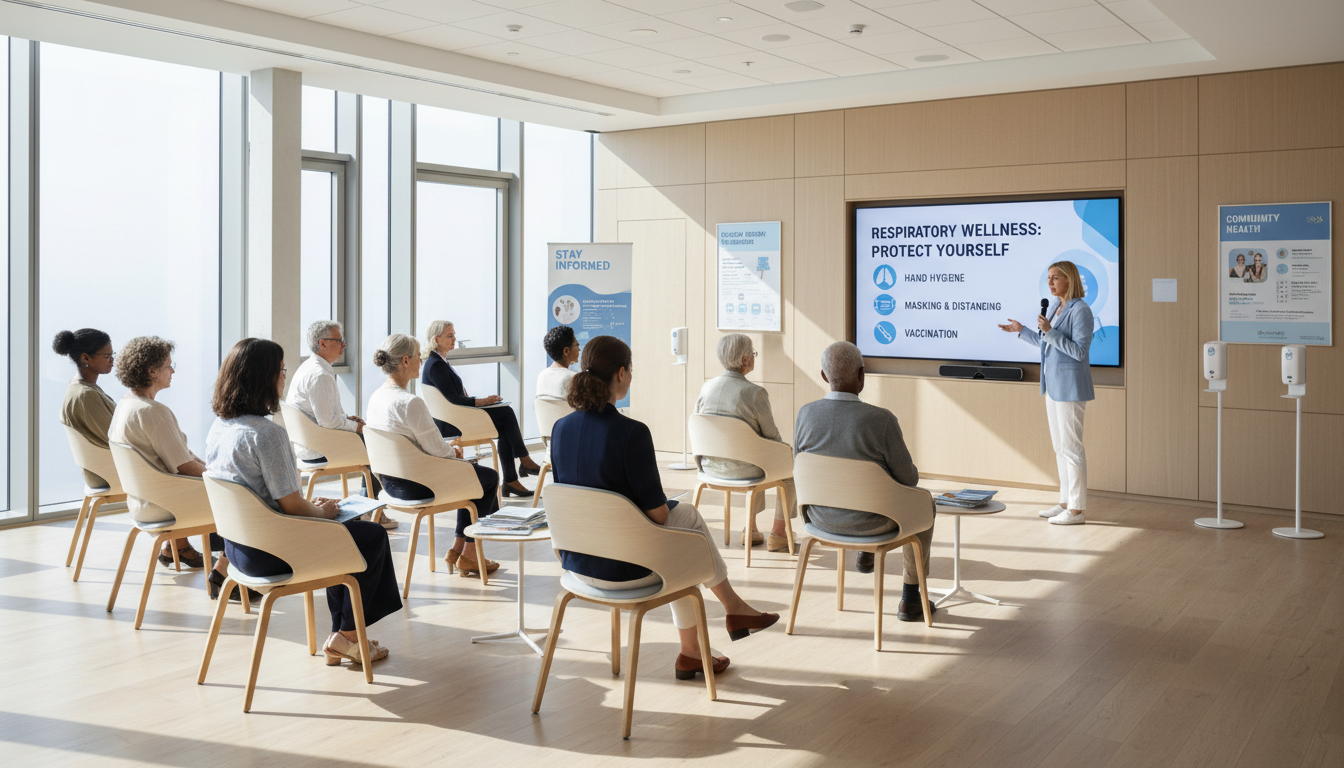
Addressing NCDs involves improving lifestyle choices, enhancing healthcare infrastructure, and ensuring access to essential medications, highlighting the need for comprehensive health strategies.
Misconception 3: Lack of Health Infrastructure
Another misconception is that Africa lacks any health infrastructure. While challenges exist, there are numerous examples of robust health systems and innovative solutions across the continent. Countries like Rwanda have made significant strides in healthcare delivery and coverage.
Investments in technology and local innovations have also played a pivotal role in improving healthcare access and quality, showcasing the potential for growth and development.
Misconception 4: International Aid Is the Only Solution
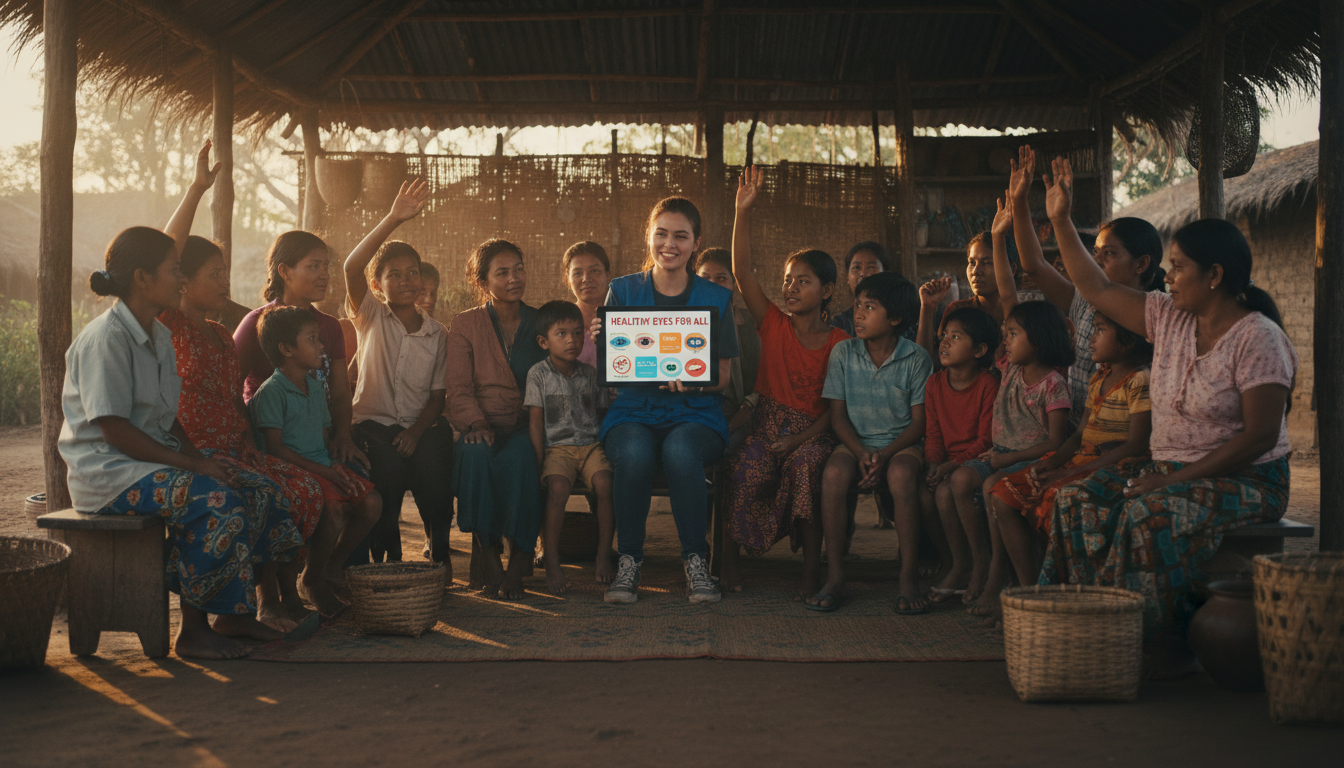
While international aid is valuable, sustainable public health improvements often stem from local initiatives and leadership. Empowering local communities and governments to drive health agendas ensures culturally relevant and long-lasting solutions.
Partnerships with international organizations should complement, not overshadow, local efforts. Investing in local talent and infrastructure is key to building resilient health systems.
Moving Forward
Addressing these misconceptions is essential for creating a more nuanced understanding of public health in Africa. By acknowledging diversity, focusing on emerging health challenges, and supporting local initiatives, stakeholders can work towards a healthier continent.
As awareness grows, collaboration and innovation will continue to pave the way for improved health outcomes, benefiting millions across Africa.