A Guide to Seasonal Health Challenges and Solutions in Africa
PH
Understanding Seasonal Health Challenges in Africa
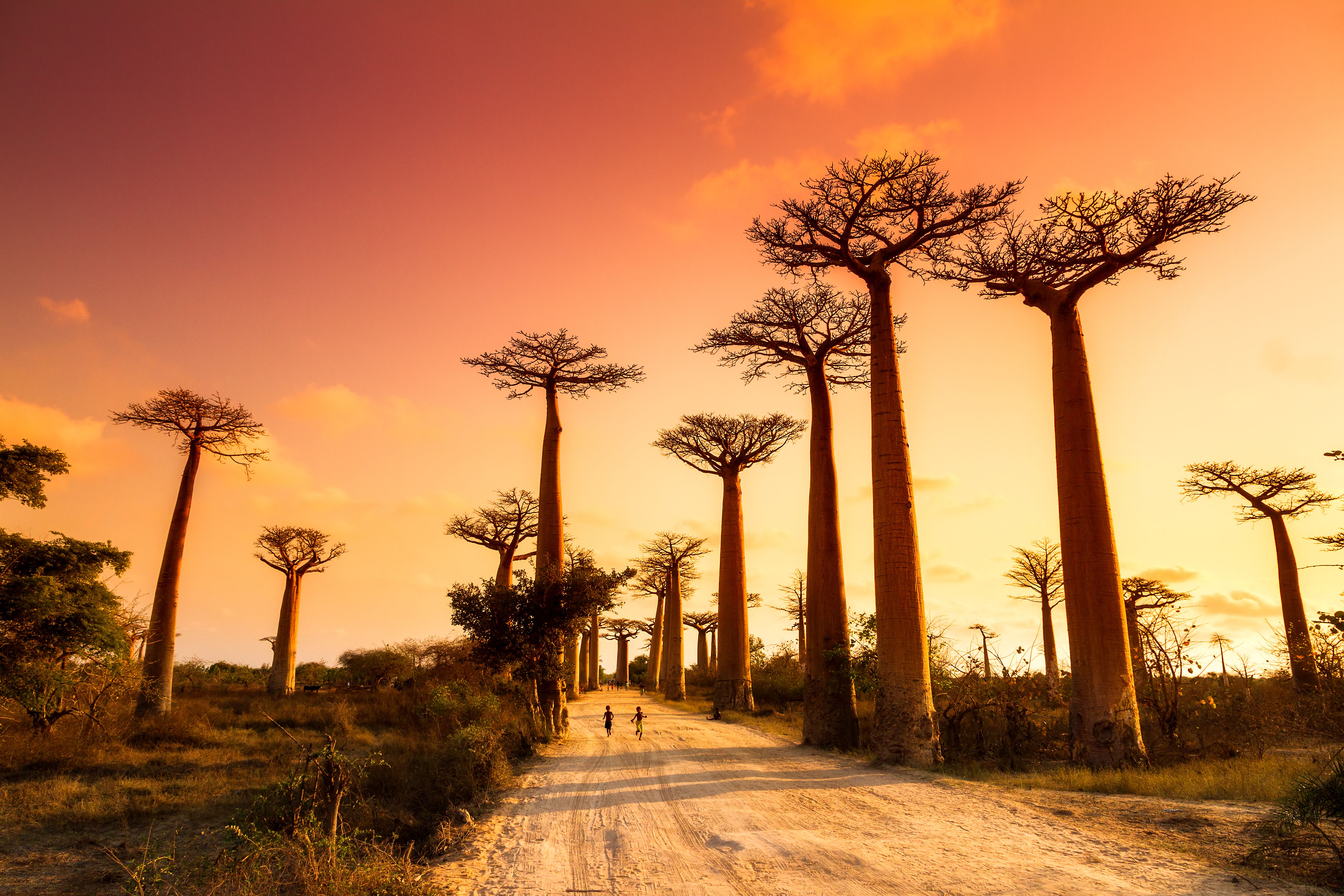
Africa's diverse climate brings unique seasonal health challenges that vary across its regions. From the dry deserts of the north to the tropical rainforests of the south, each area presents its own set of health issues that require attention and adaptation.
Understanding these seasonal changes is crucial for maintaining good health and well-being. This guide will explore common health challenges faced during different seasons and offer practical solutions to help you stay healthy throughout the year.
Dry Season: Respiratory Issues and Hydration
During the dry season, dust and pollen levels often rise, leading to increased respiratory problems such as asthma and allergies. It's essential to monitor air quality and take preventive measures to minimize exposure.
Staying hydrated is also vital, as the dry heat can lead to dehydration. Here are some tips to maintain hydration and respiratory health:
- Drink plenty of water throughout the day.
- Use air purifiers or wear masks to reduce inhalation of pollutants.
- Incorporate humidifiers in living spaces to maintain moisture levels.
Rainy Season: Waterborne Diseases and Mosquito Control
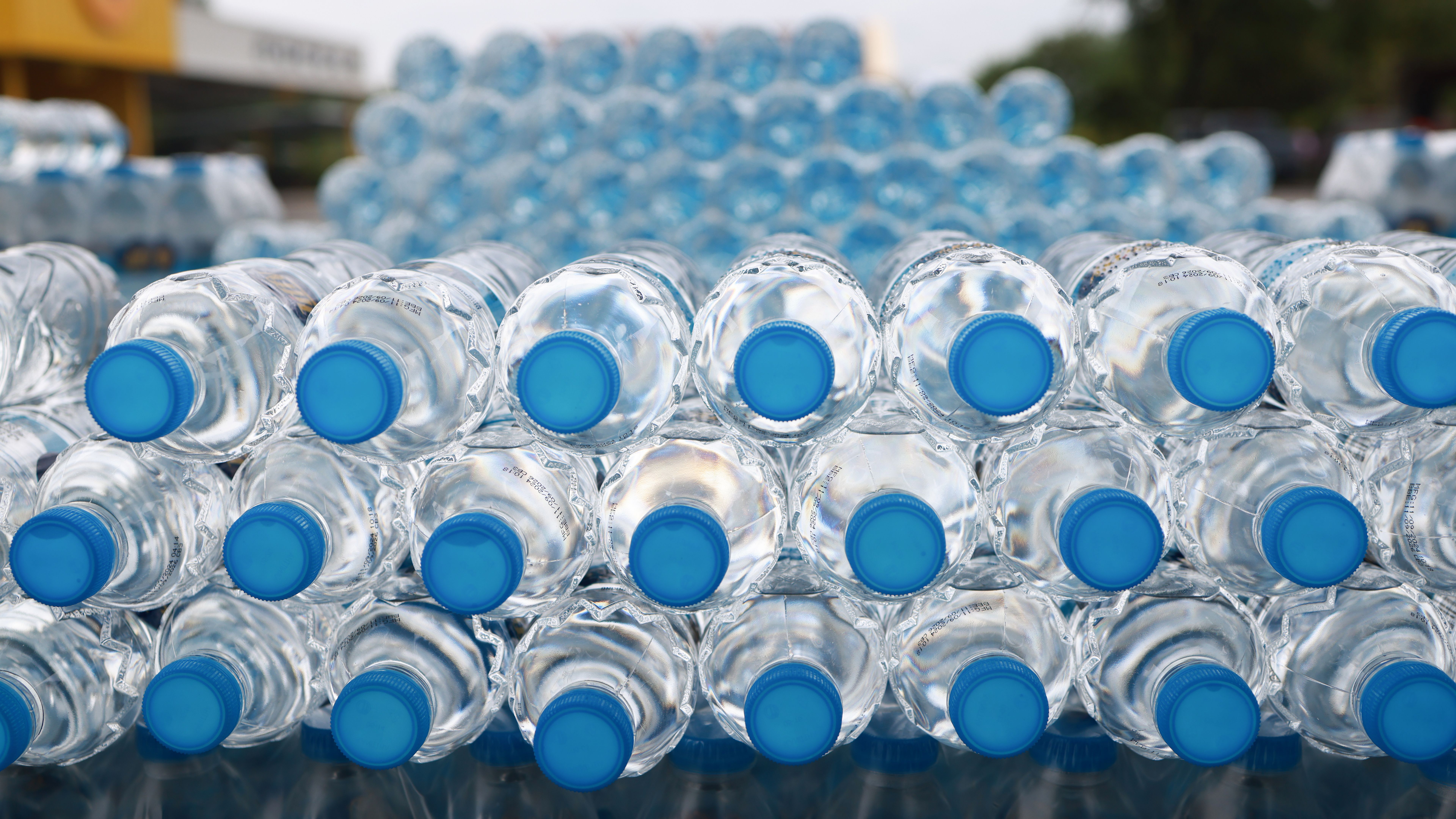
The rainy season often brings an increase in waterborne diseases such as cholera and typhoid due to flooding and poor sanitation. It's crucial to ensure access to clean drinking water and proper sanitation facilities.
Mosquito populations also spike during this period, raising the risk of malaria and other mosquito-borne illnesses. Here are some strategies to combat these challenges:
- Boil or filter water to ensure it's safe for consumption.
- Use mosquito nets and repellents to reduce mosquito bites.
- Eliminate standing water around homes to prevent mosquito breeding.
Harmattan Season: Skin and Eye Care
The Harmattan season, characterized by dry and dusty winds, affects many parts of West Africa. This can lead to skin dryness and eye irritation, often exacerbated by the fine dust particles carried by the wind.
Protecting your skin and eyes during this season is essential. Consider these protective measures:
- Apply moisturizing lotions regularly to prevent skin dryness.
- Wear sunglasses to shield eyes from dust and UV rays.
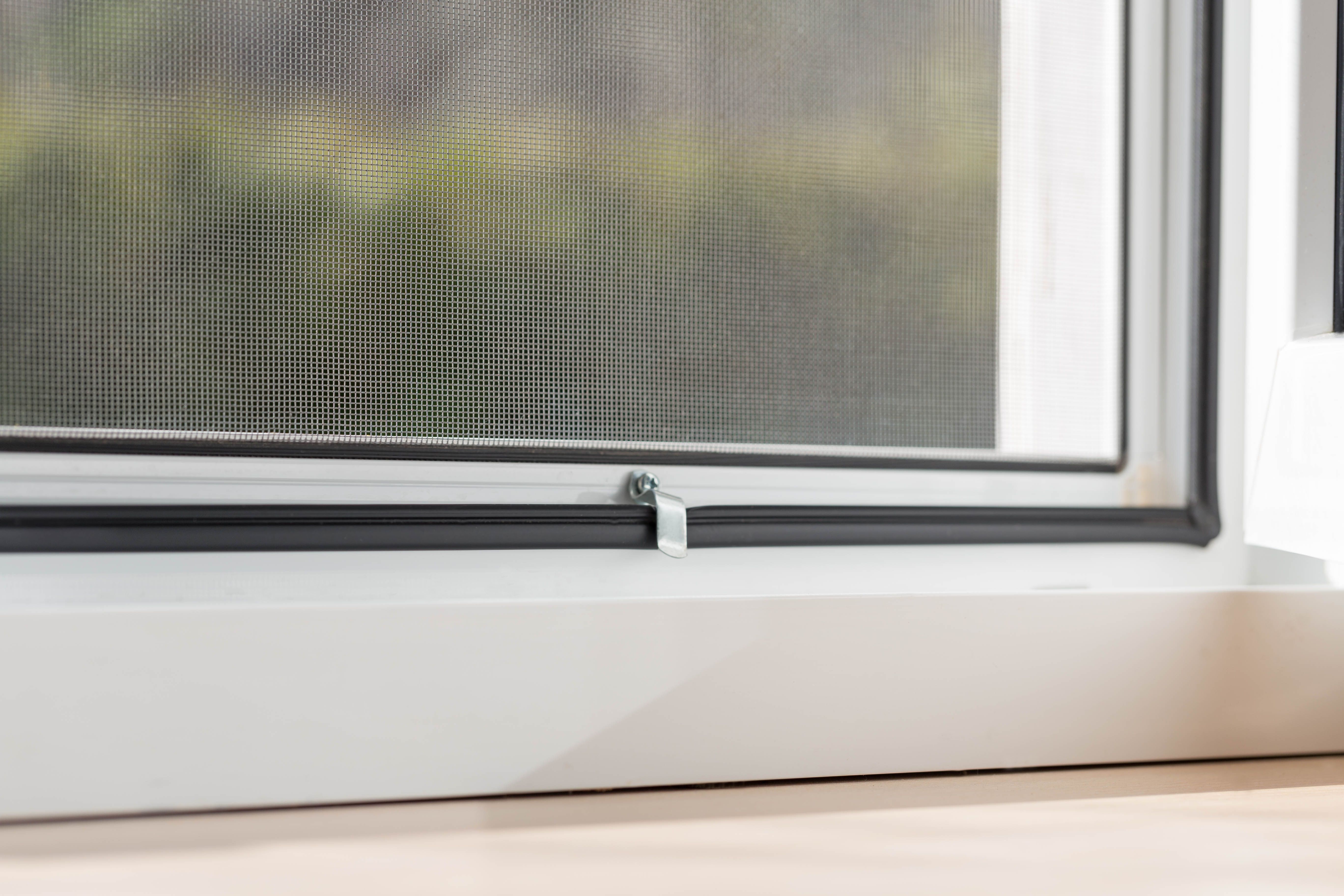
- Keep windows closed to minimize dust entry indoors.
Conclusion: Adapting to Seasonal Changes
By understanding the unique seasonal health challenges in Africa, individuals can take proactive steps to protect their health and well-being. Whether it's staying hydrated during the dry season or preventing mosquito bites during the rains, informed actions can make a significant difference.
Embracing these solutions not only promotes personal health but also contributes to healthier communities. Stay informed, stay prepared, and embrace the changes each season brings.