A Case Study on Successful Health Interventions in Africa
PH
Introduction to Health Interventions in Africa
Africa has been at the forefront of numerous health challenges, ranging from infectious diseases to malnutrition. However, the continent is also home to several successful health interventions that have transformed communities and saved countless lives. This case study explores some of these impactful initiatives.
With diverse cultures and varying levels of infrastructure, implementing health interventions in Africa requires innovative approaches and adaptability. The case studies discussed here illustrate how tailored solutions and community involvement can lead to significant health improvements.
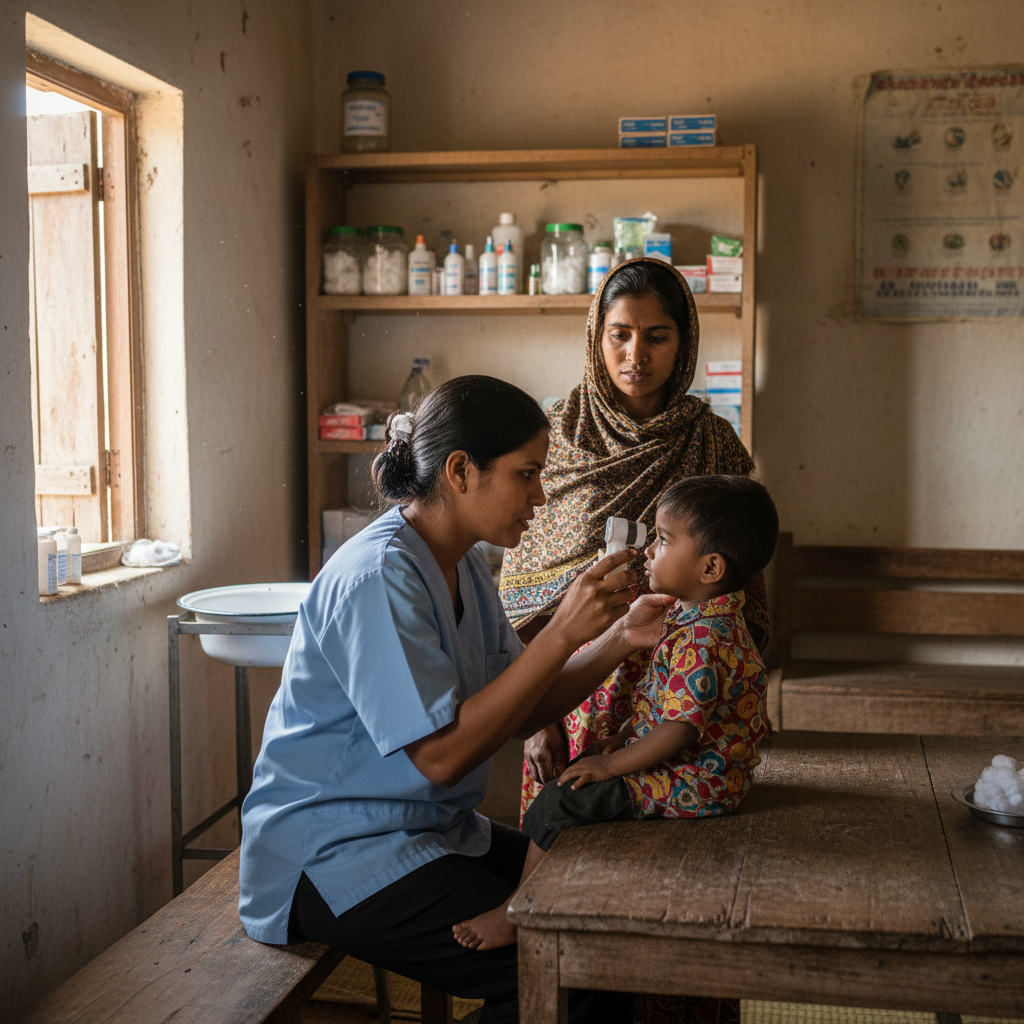
Community-Based Malaria Control
Malaria remains a major health concern in many African countries. One successful intervention is the community-based distribution of insecticide-treated bed nets. This approach has shown remarkable results in reducing transmission rates.
The involvement of local community members in distributing and educating families about the proper use of bed nets has been a key factor in its success. By empowering communities, the intervention ensures sustainability and long-term impact.

Nutrition and Child Health Programs
Malnutrition is a critical issue affecting children across Africa. To combat this, targeted nutrition programs have been implemented in various regions. These programs often include providing fortified foods and educating mothers on proper nutrition.
One particularly successful initiative is the deployment of mobile health clinics that reach remote areas, offering essential nutrients and health check-ups for children. This method ensures that even the most isolated communities receive the care they need.

HIV/AIDS Awareness and Treatment
HIV/AIDS has been a devastating epidemic in Africa, but significant progress has been made through awareness campaigns and improved access to antiretroviral therapy (ART). Community-driven awareness programs have played a crucial role in destigmatizing the disease and encouraging testing.
The expansion of ART programs, supported by international partnerships, has drastically reduced mortality rates and improved the quality of life for those living with HIV. These interventions highlight the importance of global cooperation in tackling health crises.
Innovative Use of Technology
Technology has become an invaluable tool in addressing health challenges in Africa. Mobile health platforms, for instance, have been used to disseminate health information, schedule appointments, and track disease outbreaks.
One notable success is the use of SMS-based systems to remind patients of their medication schedules, significantly improving treatment adherence. Such innovations demonstrate the potential of technology in enhancing healthcare delivery.

Conclusion
These case studies underscore the effectiveness of tailored, community-focused health interventions in Africa. By leveraging local resources, involving community members, and incorporating technology, these initiatives have achieved remarkable success.
The lessons learned from these interventions can serve as a blueprint for addressing other health challenges, both within Africa and globally. As we continue to innovate and collaborate, the potential for improving health outcomes across the continent remains promising.